MAKERS · MIYAGI, JAPAN
Kokeshi: The Wooden Dolls of Miyagi's Hot-Spring Country
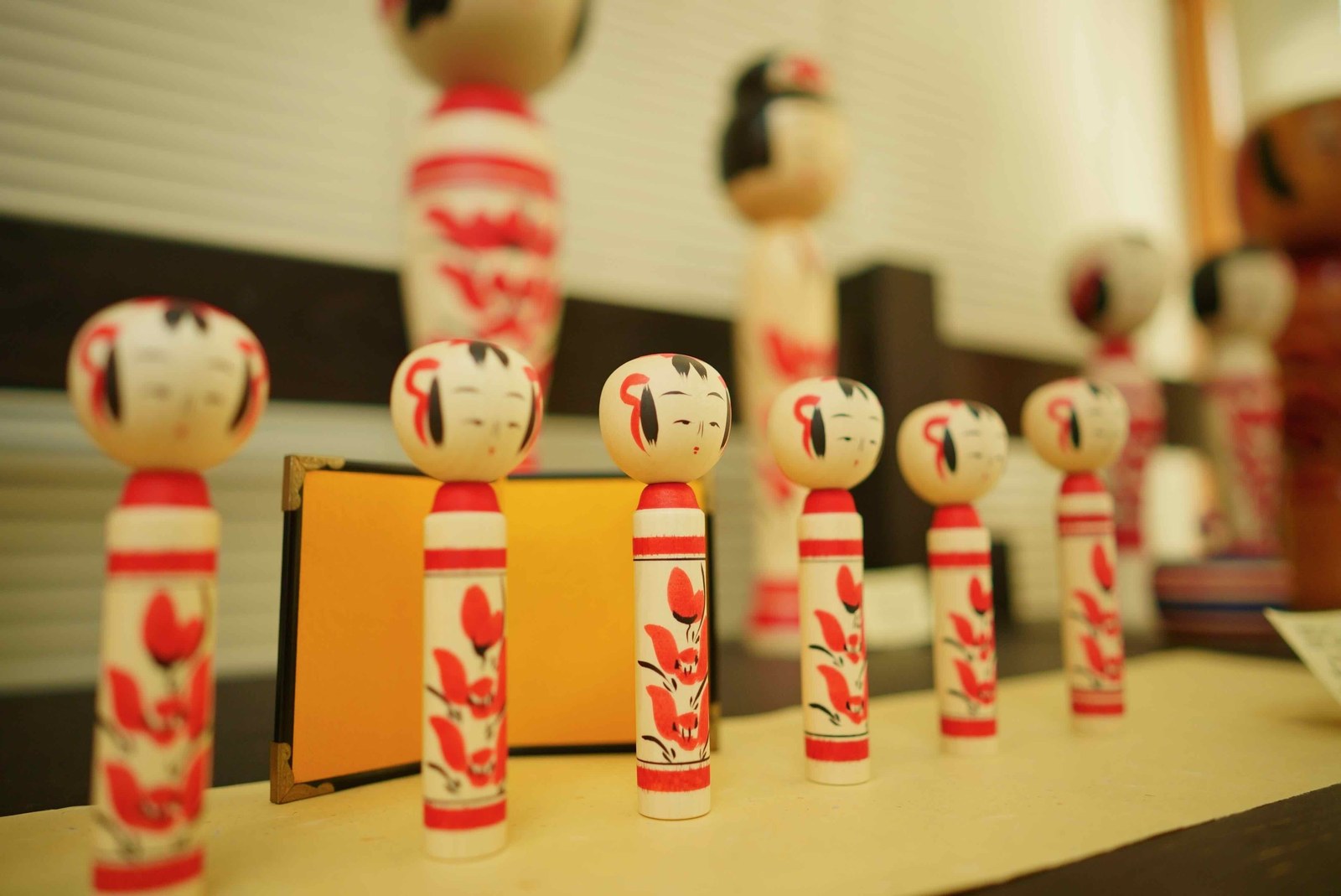
Chances are you've never heard of a kokeshi, let alone held one. It's a simple wooden doll: a round head on a smooth cylindrical body, no arms, no legs, a few calm brushstrokes for a face. Kokeshi were born in the hot-spring valleys of northern Japan, and in Miyagi Prefecture, in the hills around Sendai, people still make them the old way, one at a time, on a spinning lathe.
What a kokeshi is
Traditional kokeshi date back to the late Edo period, when woodturners in the onsen (hot-spring) towns of Tohoku, in Japan's northeast, made them as toys and souvenirs. Farmers from the surrounding villages came up to the springs in the slack season after the harvest to soak away a year's aches, and they carried these little dolls home to their children. The form stayed simple because it began as a plaything: something a small hand could grip. Over generations, each hot-spring region developed its own style — its own shape of head, its own patterns — and eleven of these traditional lineages are generally recognized across the north. Four of them belong to Miyagi.
Sakunami: one workshop keeps a line alive
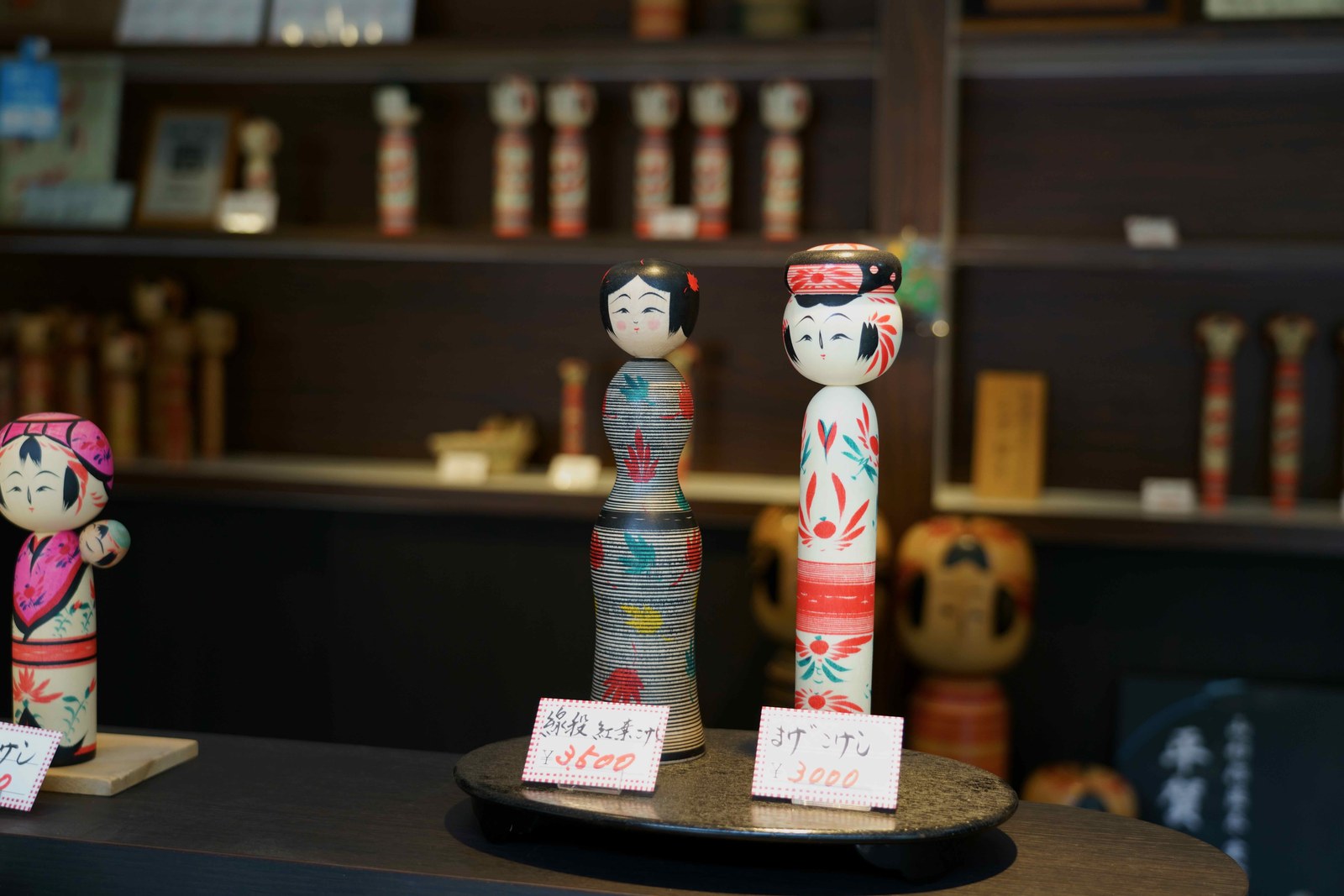
Up a wooded river valley west of Sendai sits Sakunami Onsen, where kokeshi have been made for some 160 years. Sakunami kokeshi are slender, noticeably so; the thin body is a holdover from the toy days, sized for a child's hand. Look closely and you'll see the signature pattern: fine rings at the shoulder and hem, brushed on while the doll spins on the lathe, and between them a chrysanthemum drawn so it seems to scuttle sideways, like a little crab.
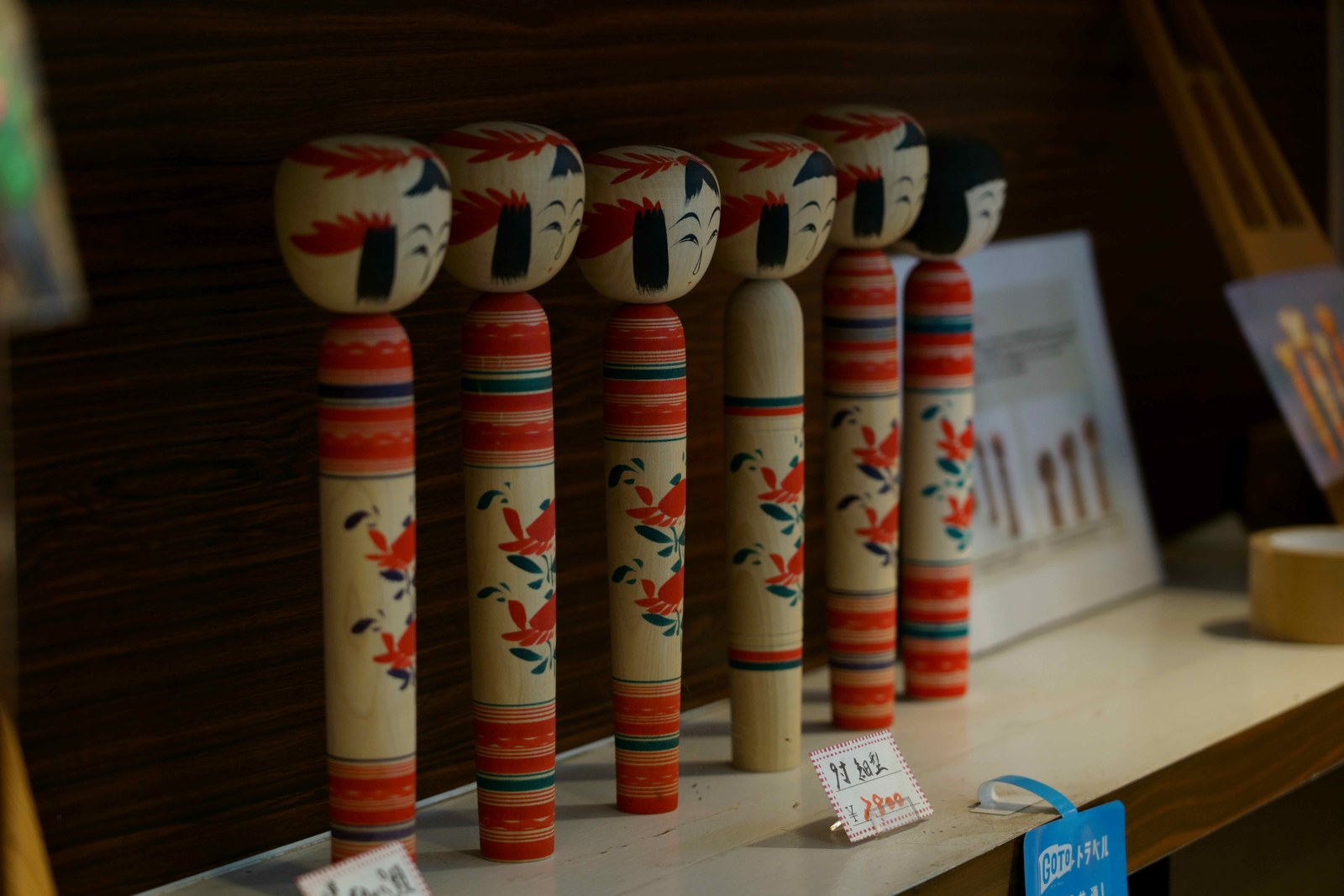
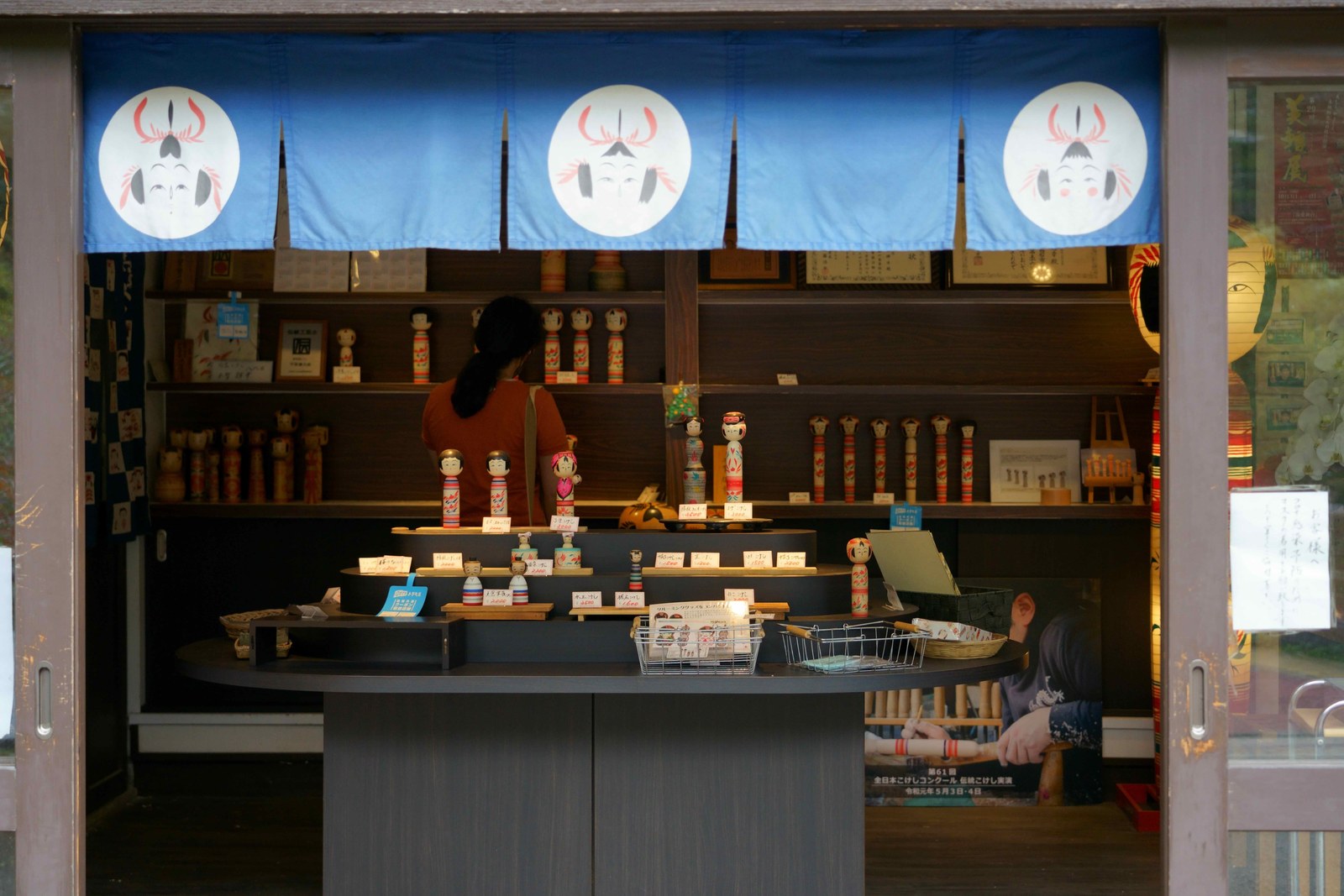
Here's the part that stays with you. Today only a single workshop in Sakunami still turns its own kokeshi, kept going by one master craftsman — a maker who has won the top national prize for the craft. A hundred and sixty years of a local style, resting on one pair of hands. You feel the weight of that when you stand in the little shop, surrounded by shelves of dolls that exist because someone decided not to let the line end.
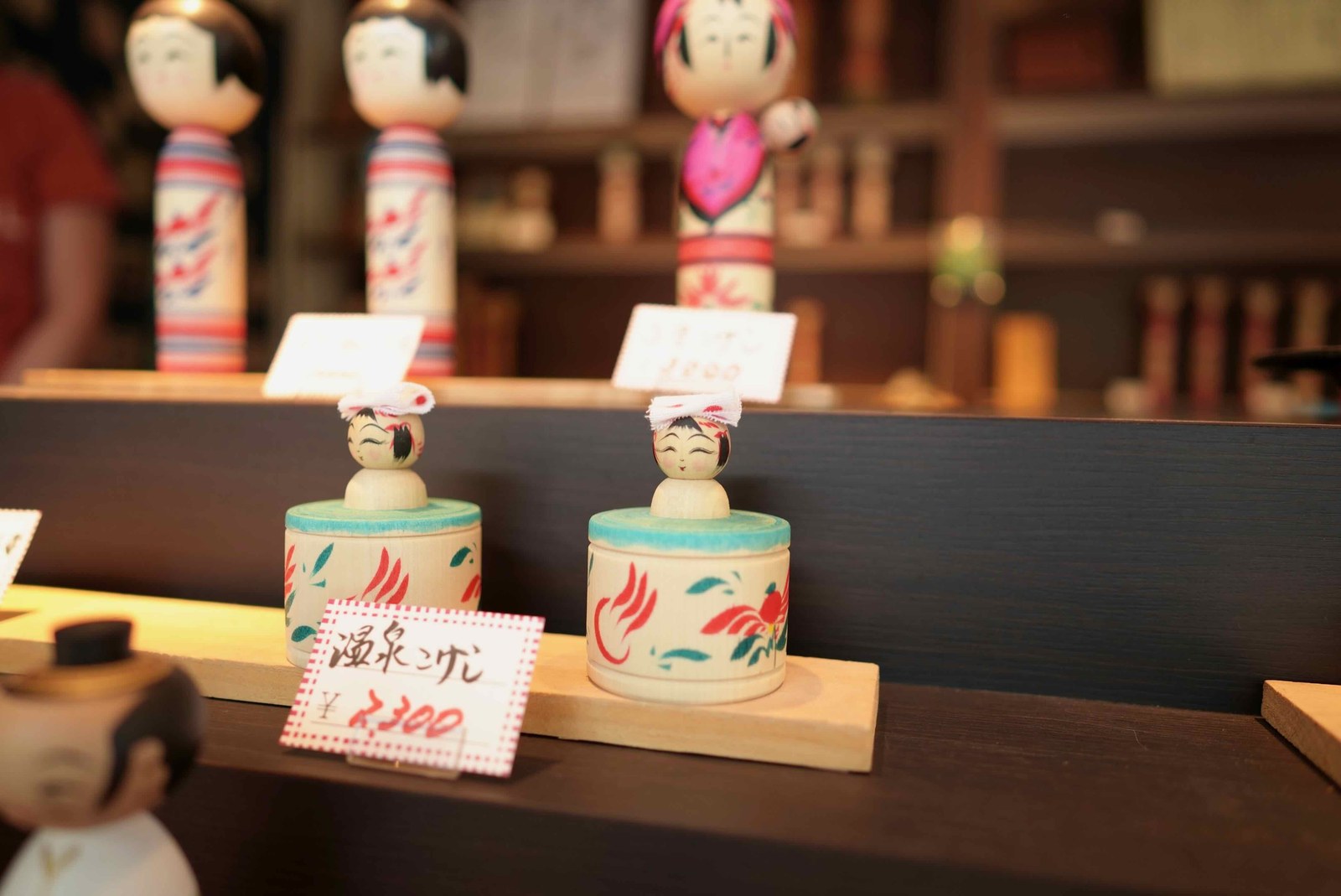
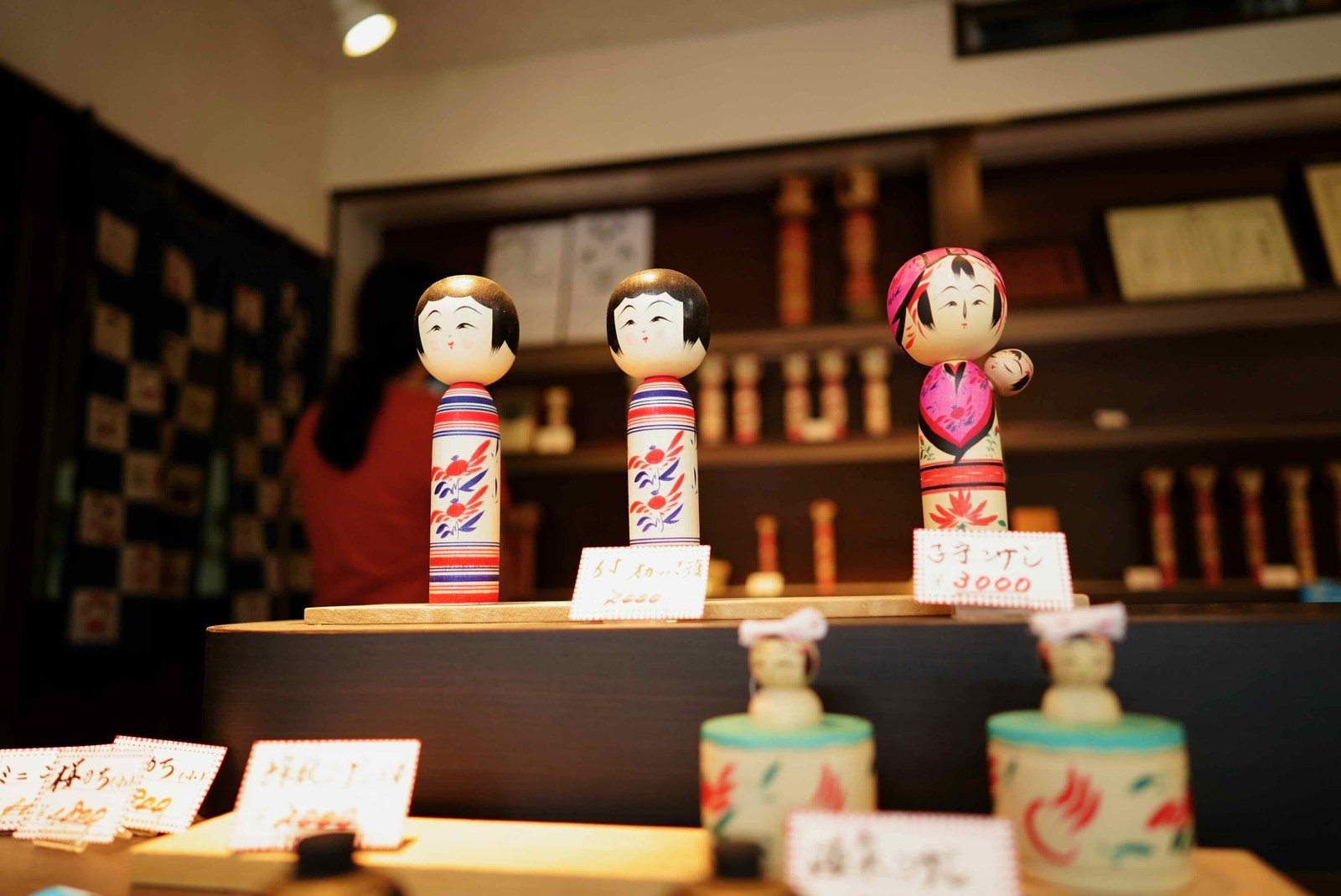
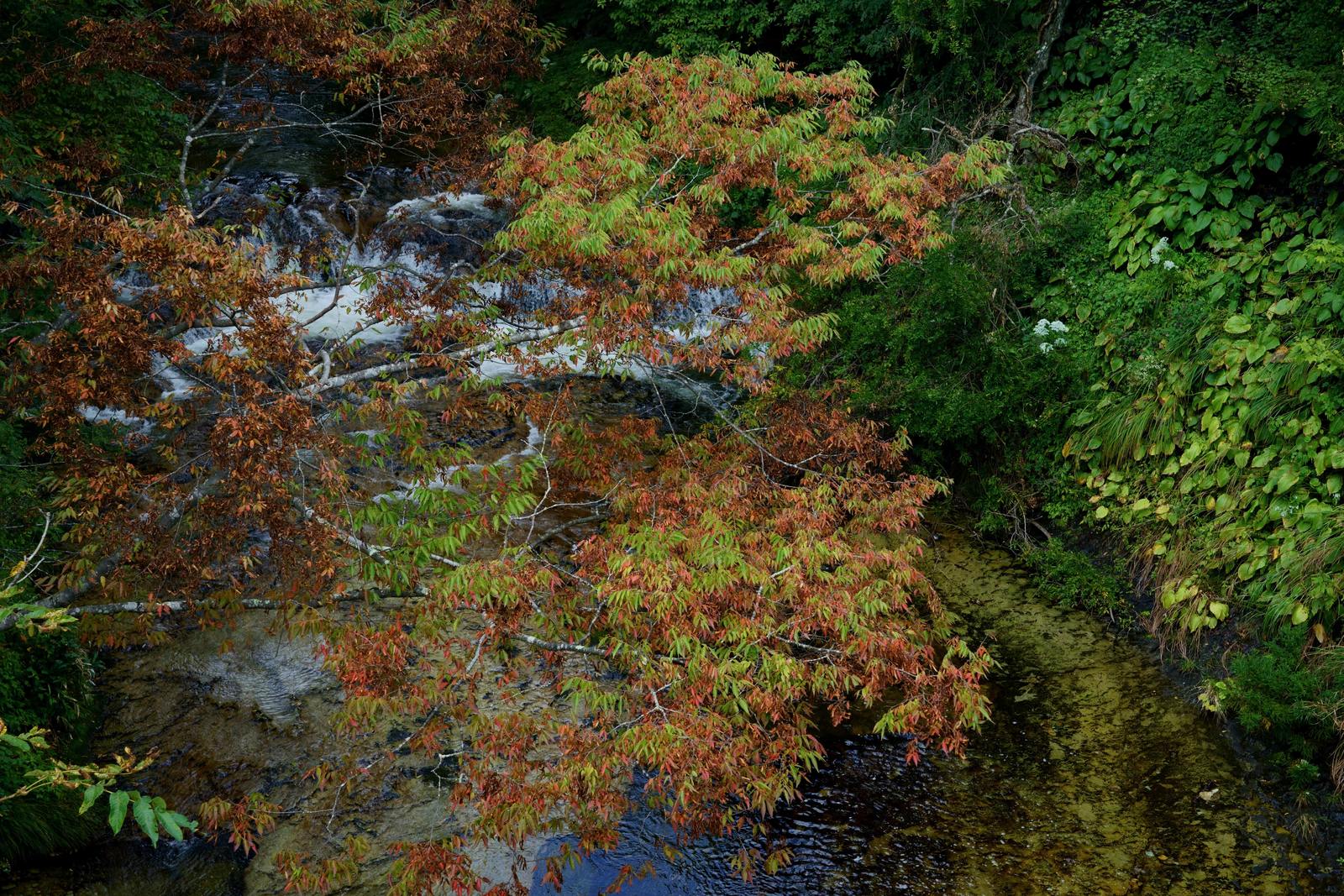
The valley itself explains a lot. Step outside and you're beside the river, with maples leaning over the water — the same hot-spring world that gave the craft its reason to exist in the first place.
Akiu: a whole village of makers
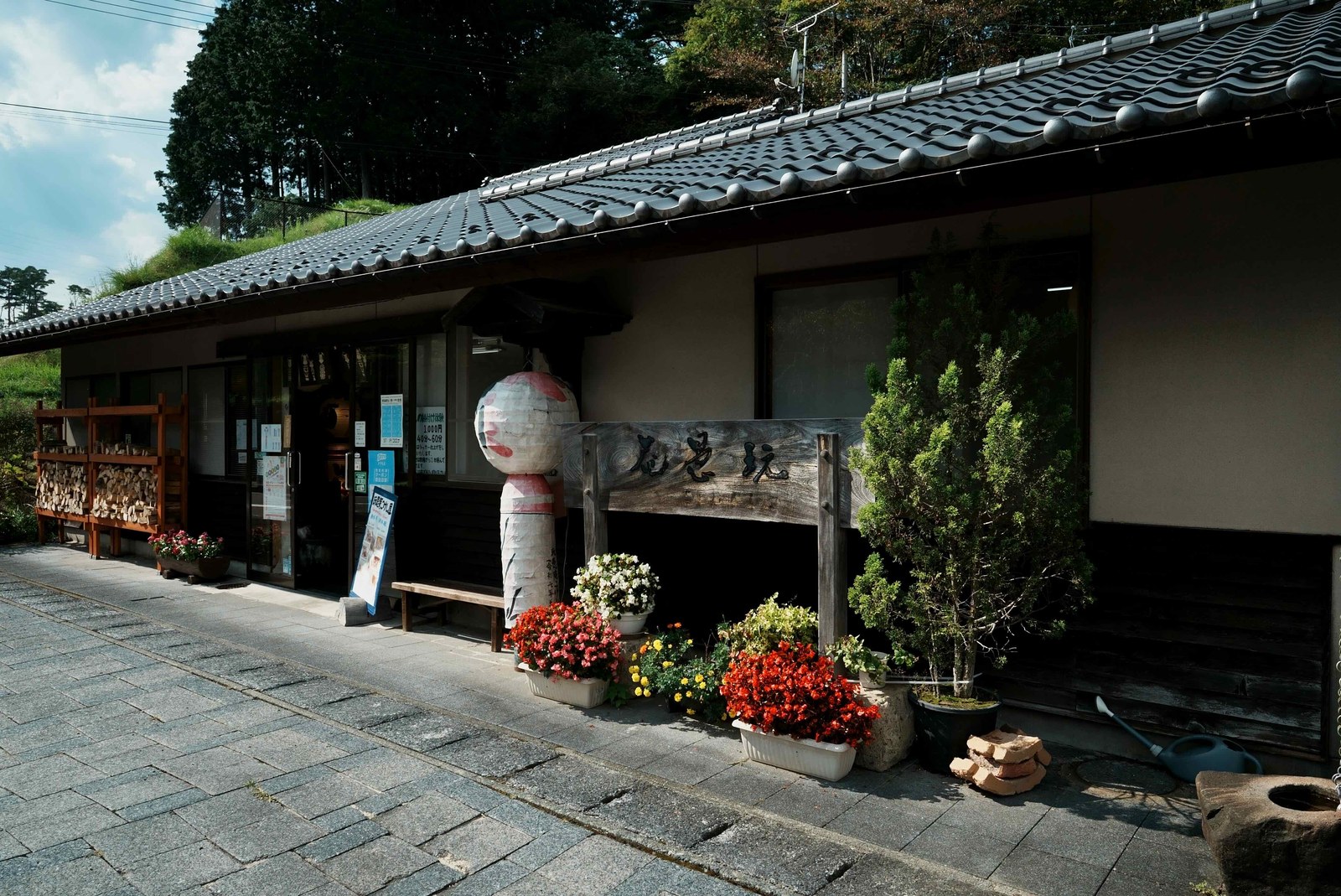
For a different way in, head southwest of Sendai toward Akiu Onsen and you'll find Akiu Craft Park, a quiet hamlet where craftspeople working in kokeshi, Sendai tansu chests, spinning tops, dyeing and weaving, and woodcarving have set up shop side by side. Most of them keep their doors open to visitors.
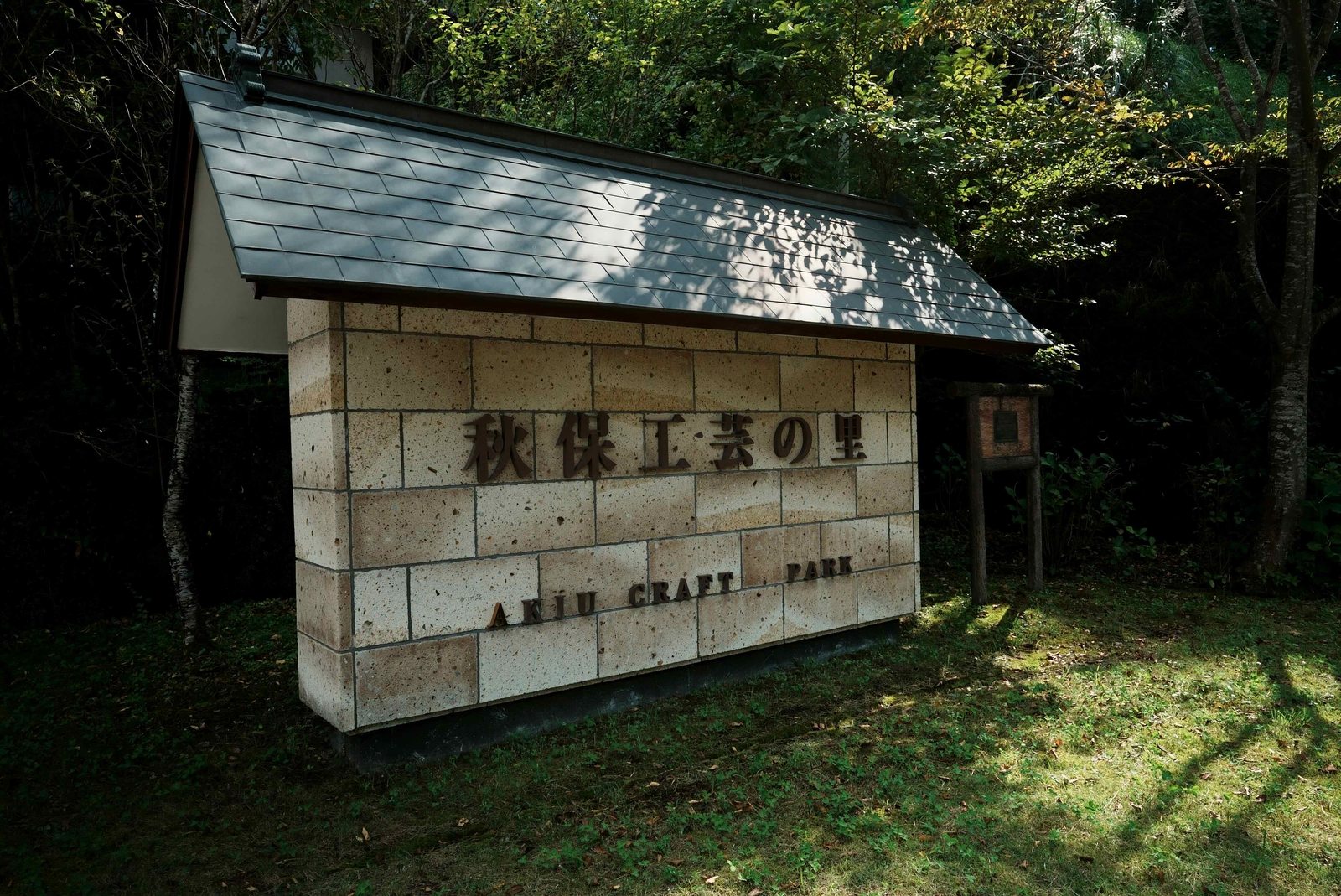
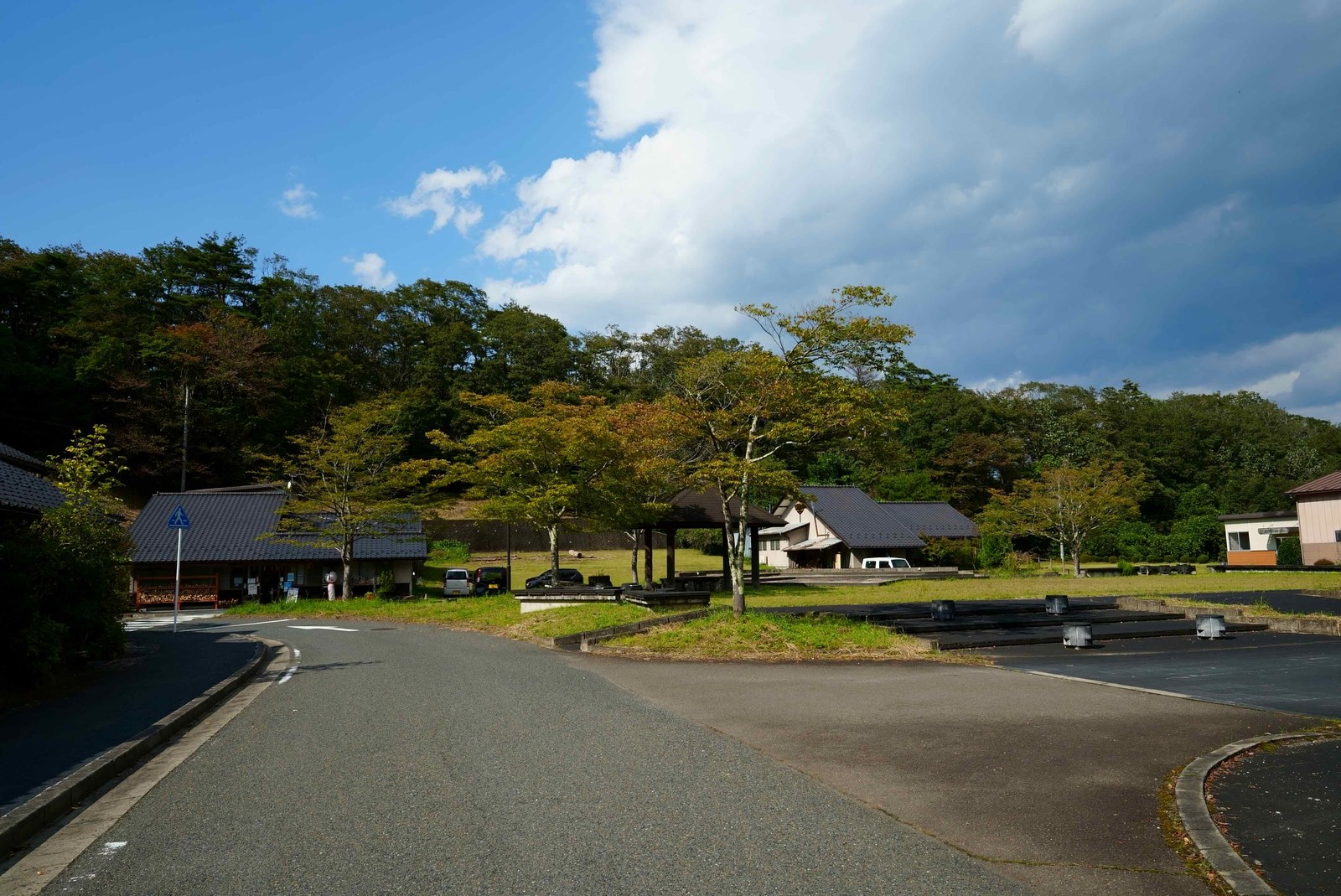
It's an unusually direct way to meet a living craft. You can often watch the makers at work, browse the finished pieces, and — best of all on a rainy afternoon — sit down and paint a blank kokeshi yourself. Whatever you end up with is a little lopsided and entirely yours.
Why handmade still matters
Because a hand-turned, hand-painted kokeshi is the opposite of mass production. No two faces are quite alike; the woodgrain runs differently through each one; every brushstroke carries the slight variation of a human hand — the very thing a factory works to eliminate. Pick one up and you're holding a small, unbroken thread that runs back through two centuries of woodturners in hot-spring country. That, more than anything, is what we travel to find — and what we hope to bring to you.
If you go
Both places are within easy reach of Sendai, itself about an hour and a half from Tokyo on the Tohoku Shinkansen. Sakunami is up the JR Senzan Line to the west of the city; Akiu Craft Park is a bus ride from Sendai Station toward Akiu Onsen, to the southwest. If you'd like to try painting your own, Akiu is the easier introduction — just check opening hours and workshop times before you set out.
To round out the trip, head south for Shiroishi Castle and a night at Kamasaki Onsen.