TRAVEL · MIYAGI, JAPAN
Kamasaki Onsen: A Night at a Six-Hundred-Year-Old Ryokan
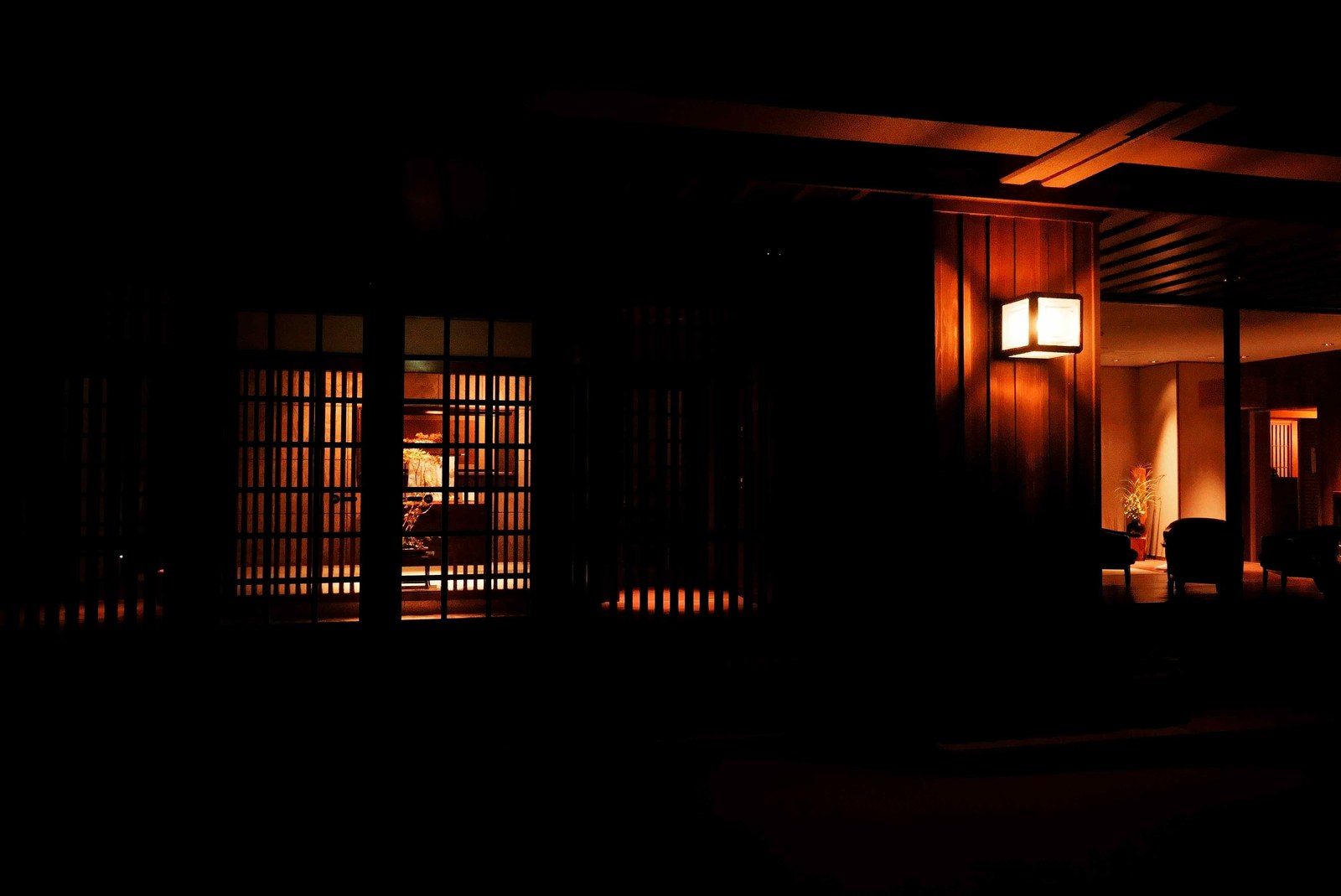
A short drive up into the hills from Shiroishi Castle, the road narrows, the air cools, and you reach Kamasaki Onsen — a hot-spring hamlet that has drawn people up this valley for some six hundred years. After a day spent among samurai history, it was exactly what we wanted for the night: quiet, wooden, and in no hurry at all.
A ryokan six centuries in the making
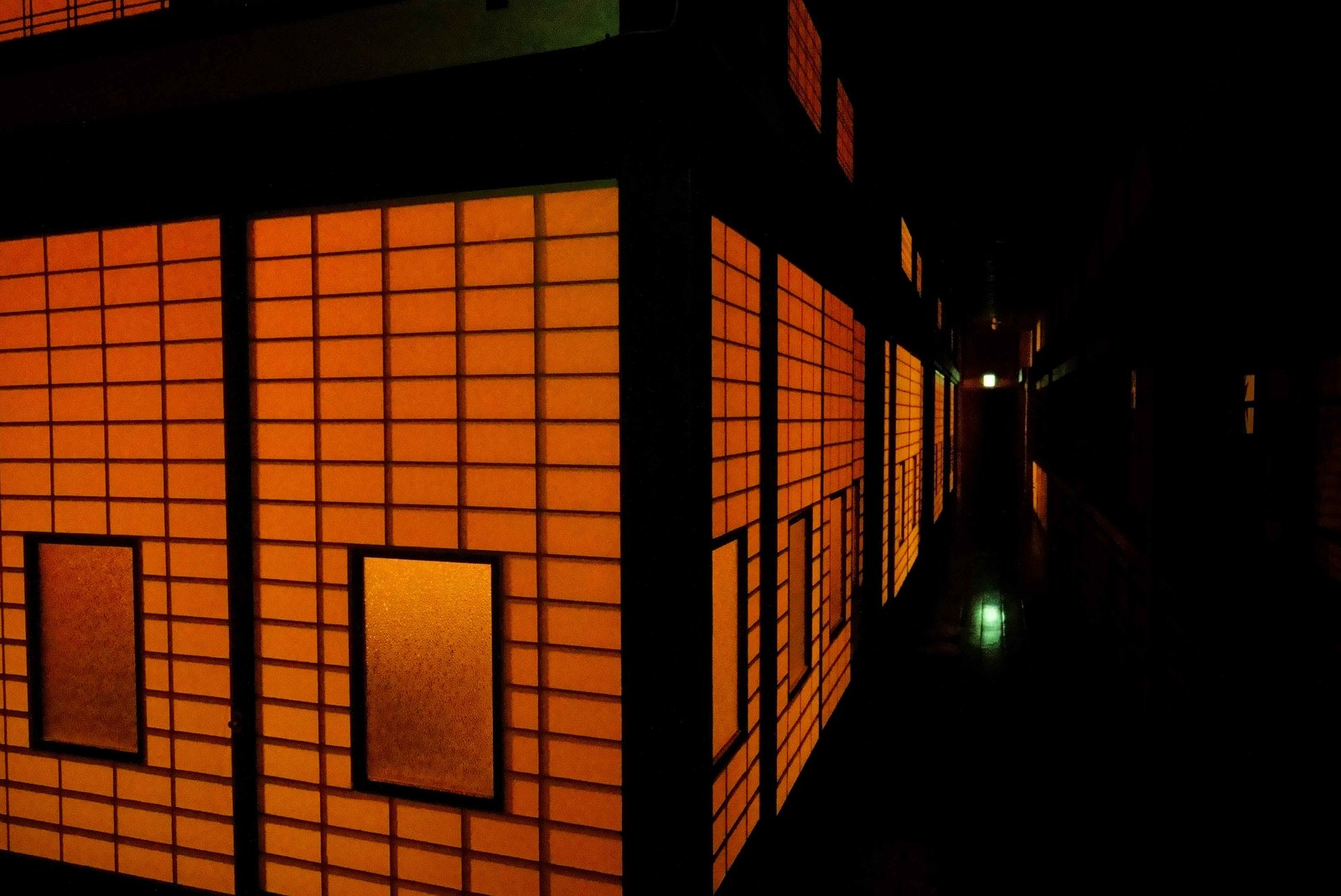
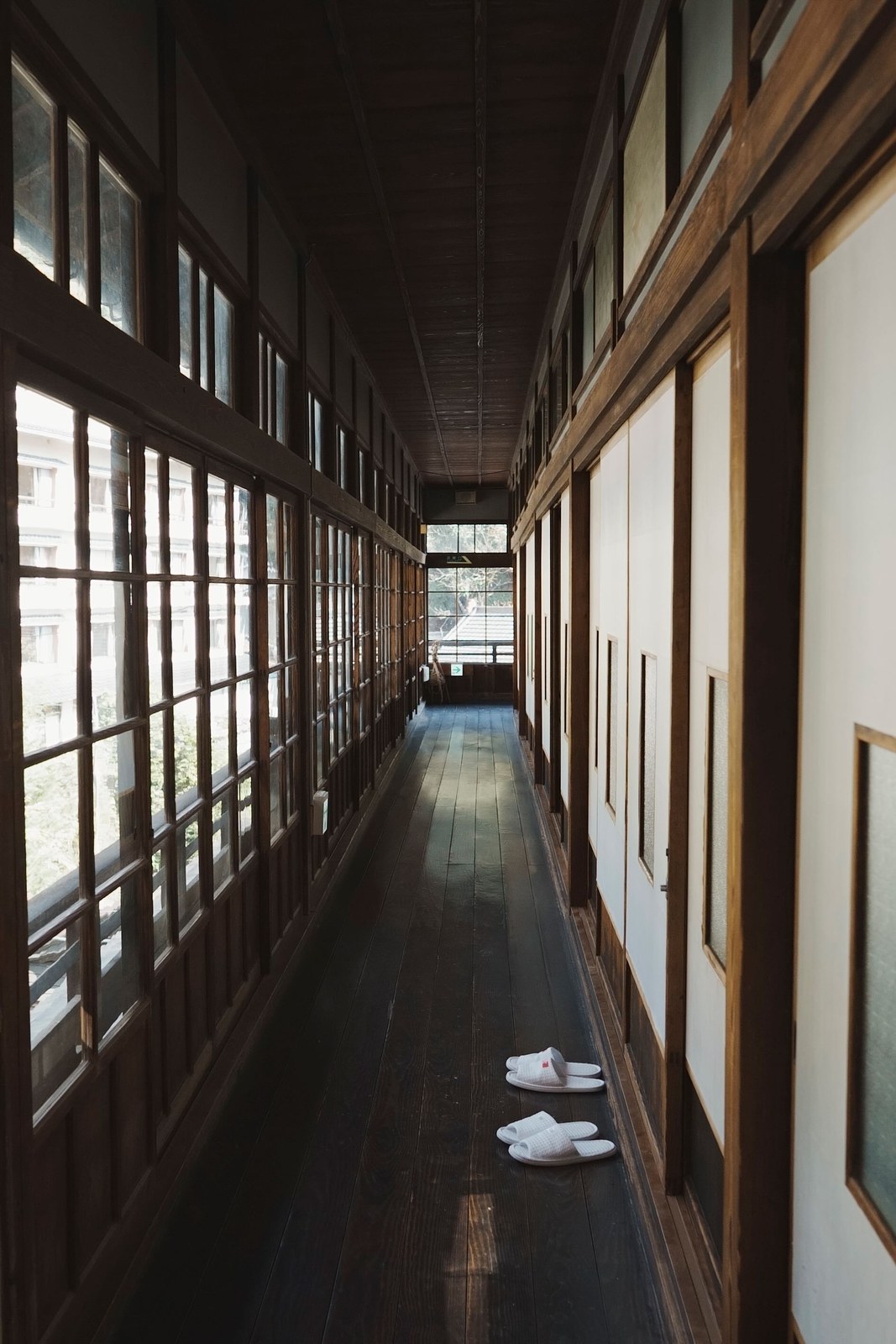
We stayed at Yunushi Ichijō, a ryokan (a traditional Japanese inn), though calling it that rather undersells it. The same family has run it since 1428 — twenty generations, welcoming travelers since before Columbus set sail. The heart of the place is its wooden main hall, raised in the Taishō era by master carpenters without a single nail, and now protected as a Registered Tangible Cultural Property. You feel the age of it the moment you step inside: dark, polished floorboards, paper screens glowing from within, and a hush that has settled over the centuries.
The baths, and a valley known for its water
Kamasaki is the oldest spring in these parts, and local lore has it that even Date Masamune and his right-hand man Katakura Kojūrō soaked here between campaigns. The inn draws on two different waters — a mineral-rich indoor bath that locals have long called a “medicine bath,” and a softer outdoor one that leaves your skin feeling smooth. You don't come to a place like this to accomplish anything. You come to sink in up to your shoulders, watch the steam drift up into the trees, and let the day go.
Dinner, served in a room of your own
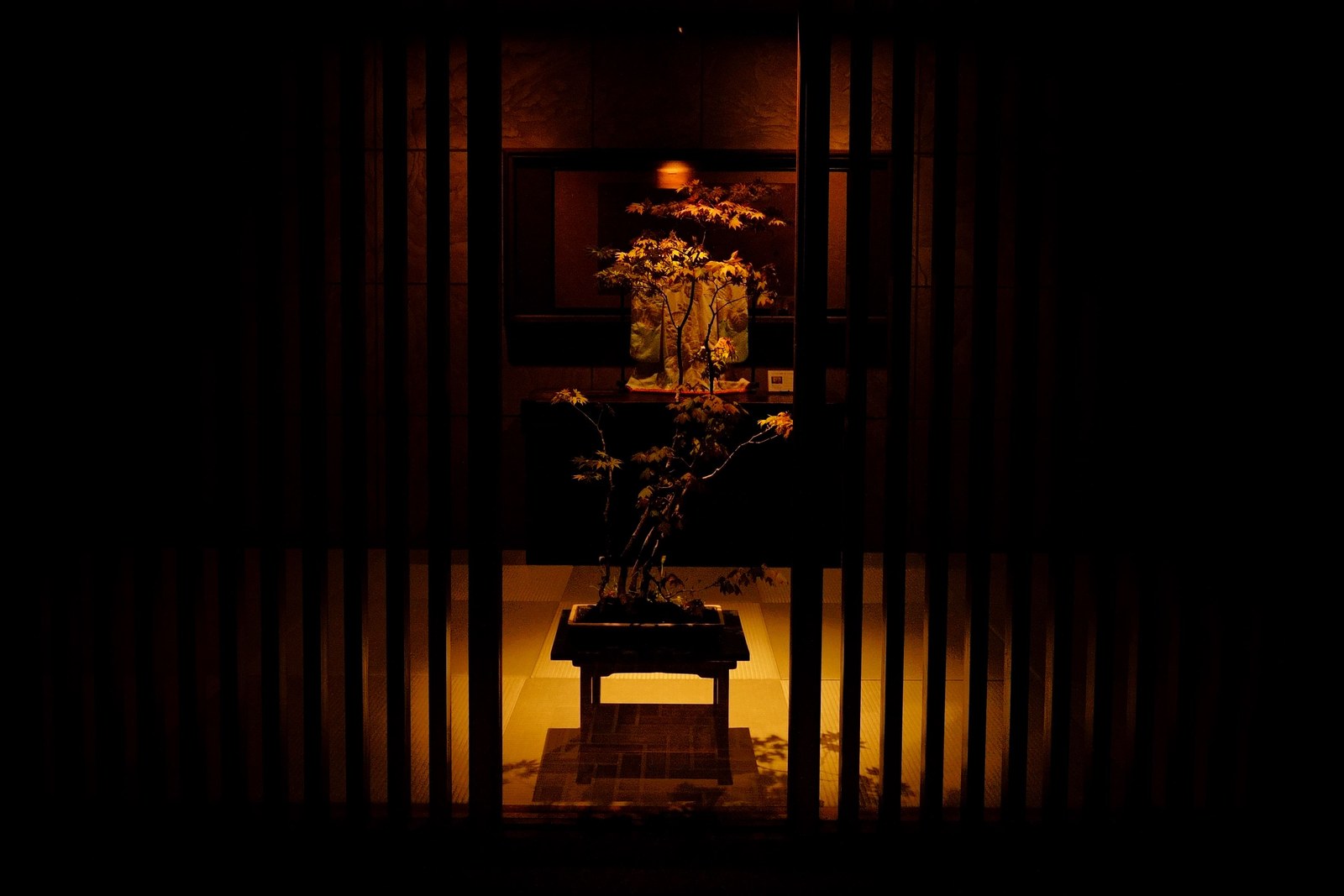
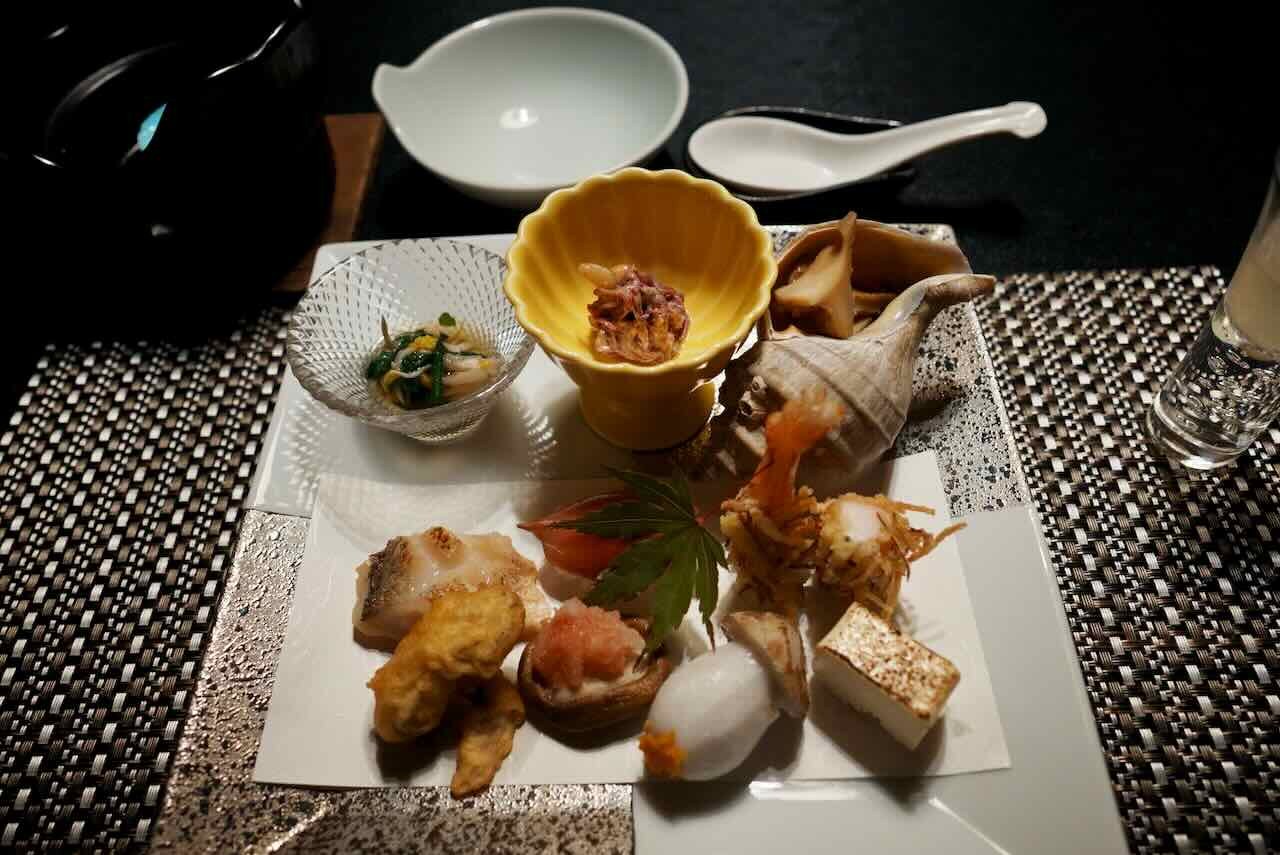
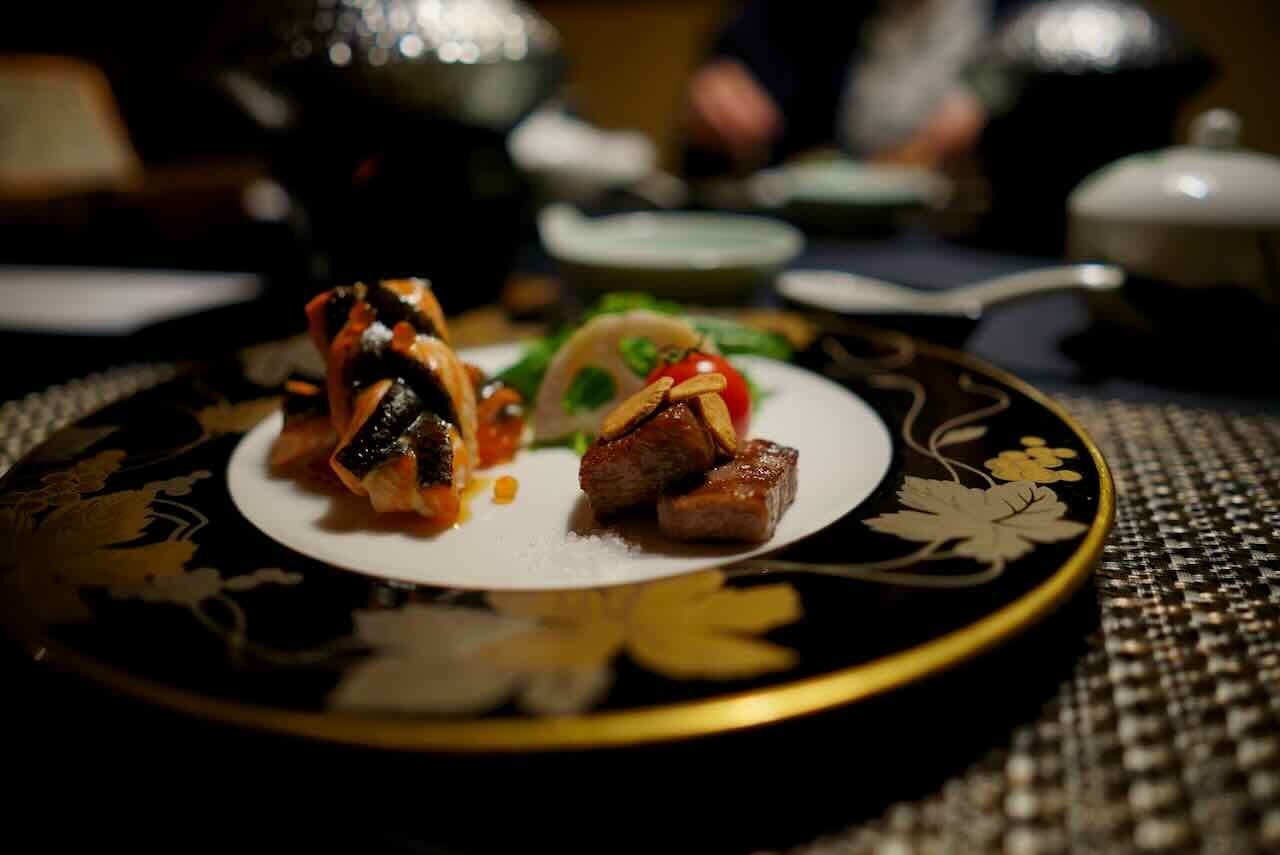
Dinner is the kind of meal you find yourself talking about weeks later. It comes kaiseki-style — a long, unhurried procession of small seasonal courses — and, better still, in a private dining room rather than a crowded hall. We came in autumn, so the plates arrived full of the season: grilled fish and mushrooms, feather-light tempura, a little wagyu seared and set on a whisper of salt. Each course was composed like a small still life, then quietly cleared to make way for the next.
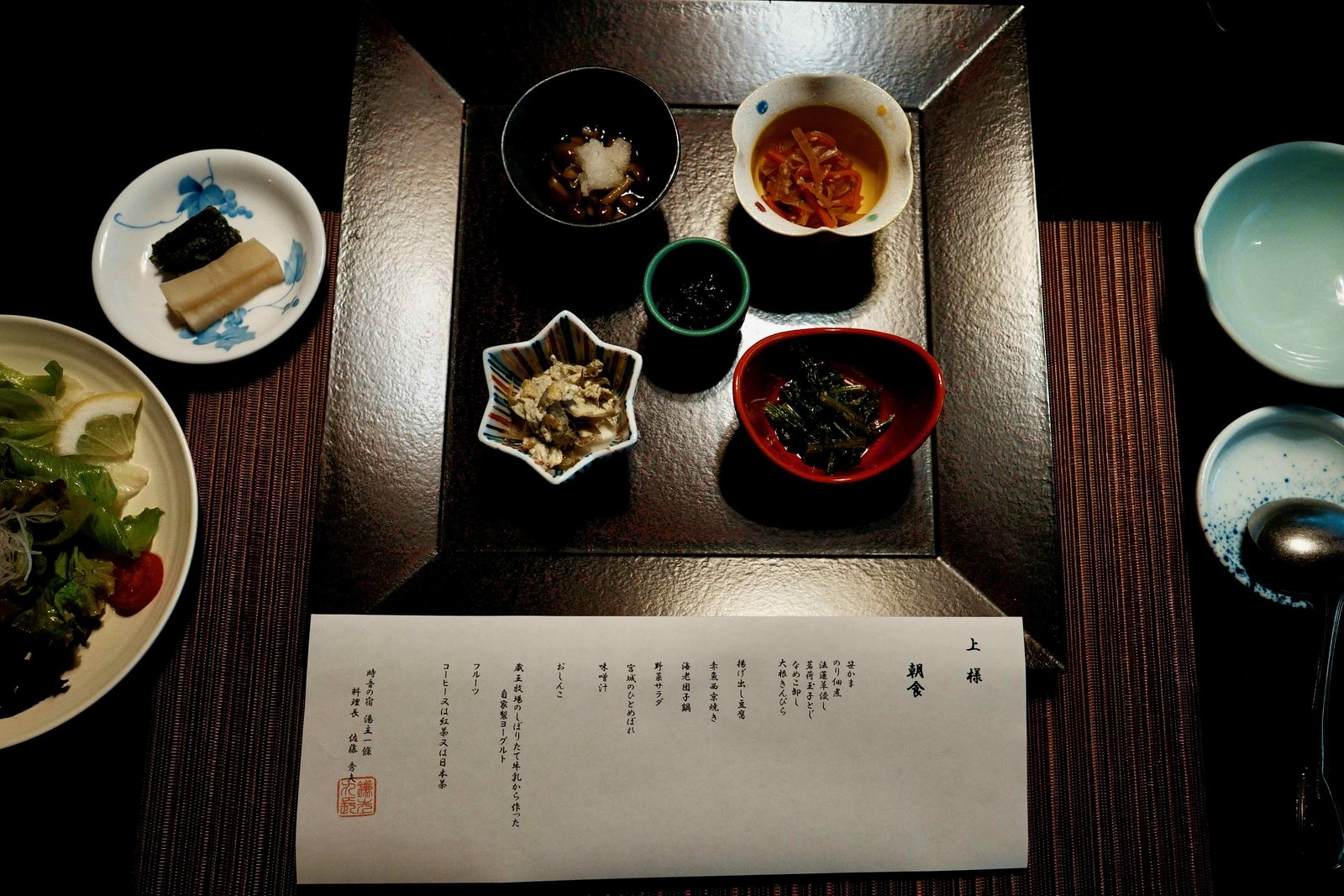
Breakfast the next morning was its own quiet event: a tray of a dozen small, careful dishes, each one meant to wake you gently. Come hungry.
The old road through the mountains
If you have a morning to spare, the hills west of the inn hide one of Tohoku's quiet pleasures: the Shichikashuku Kaidō, an old highway that once linked the great post roads of the north. Its name means “seven post towns,” and in the age of the samurai the processions of feudal lords — thirteen different domains — passed through here on the long march to and from Edo.
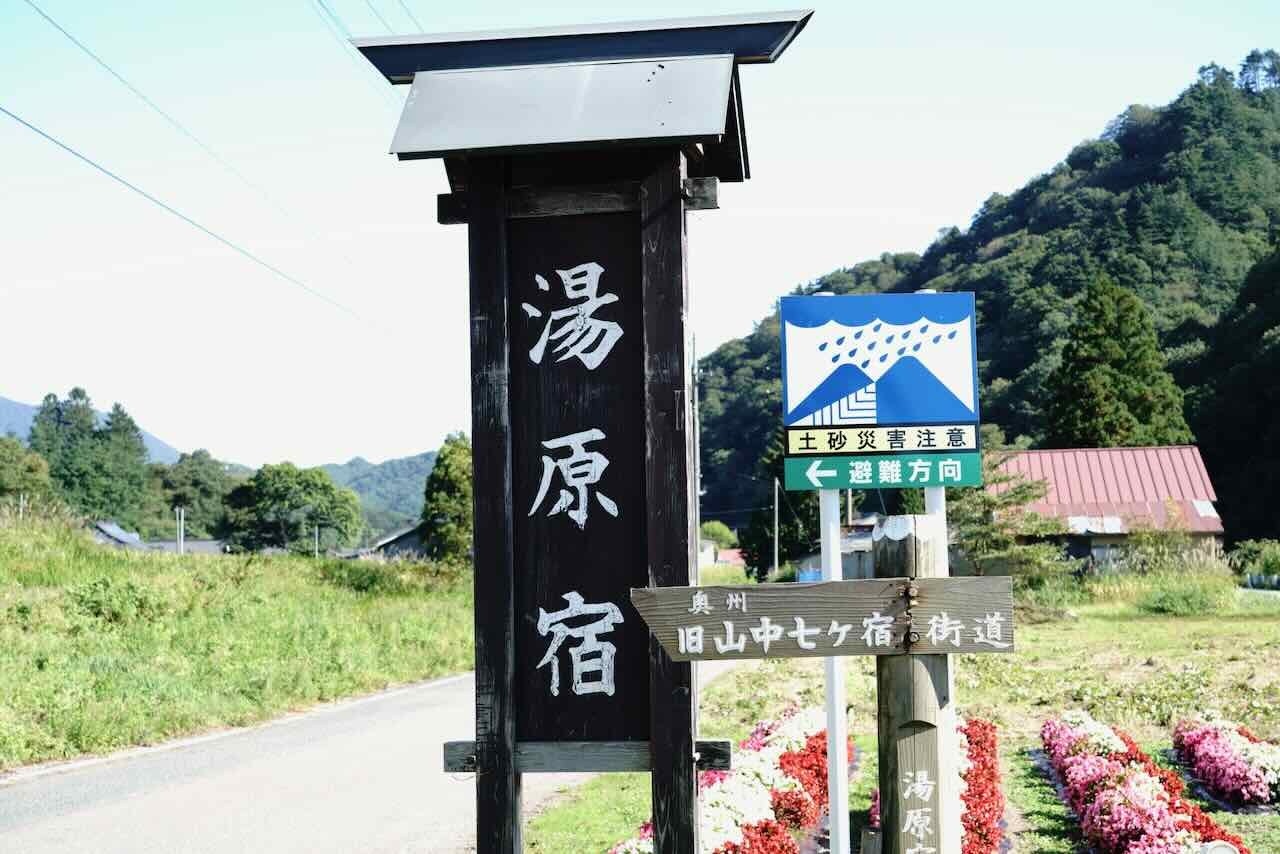
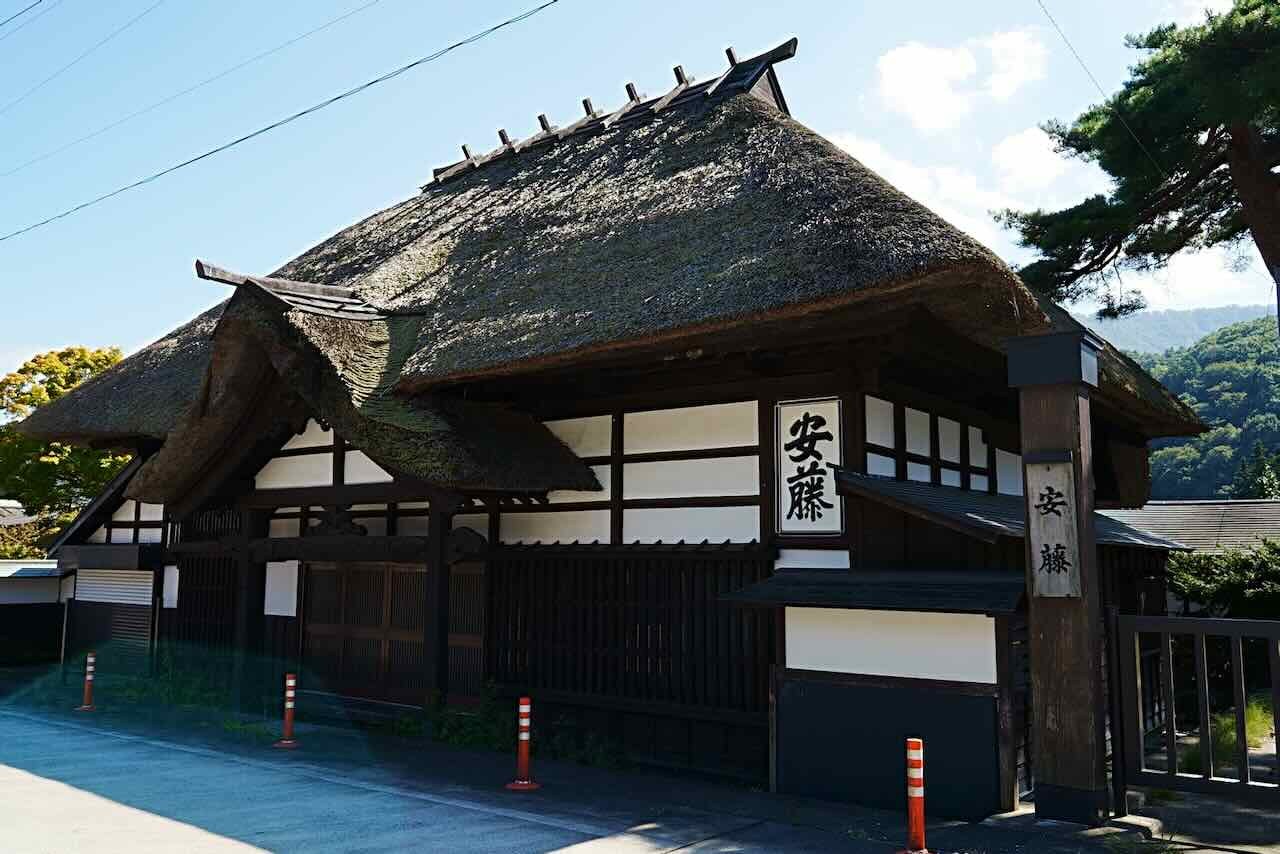
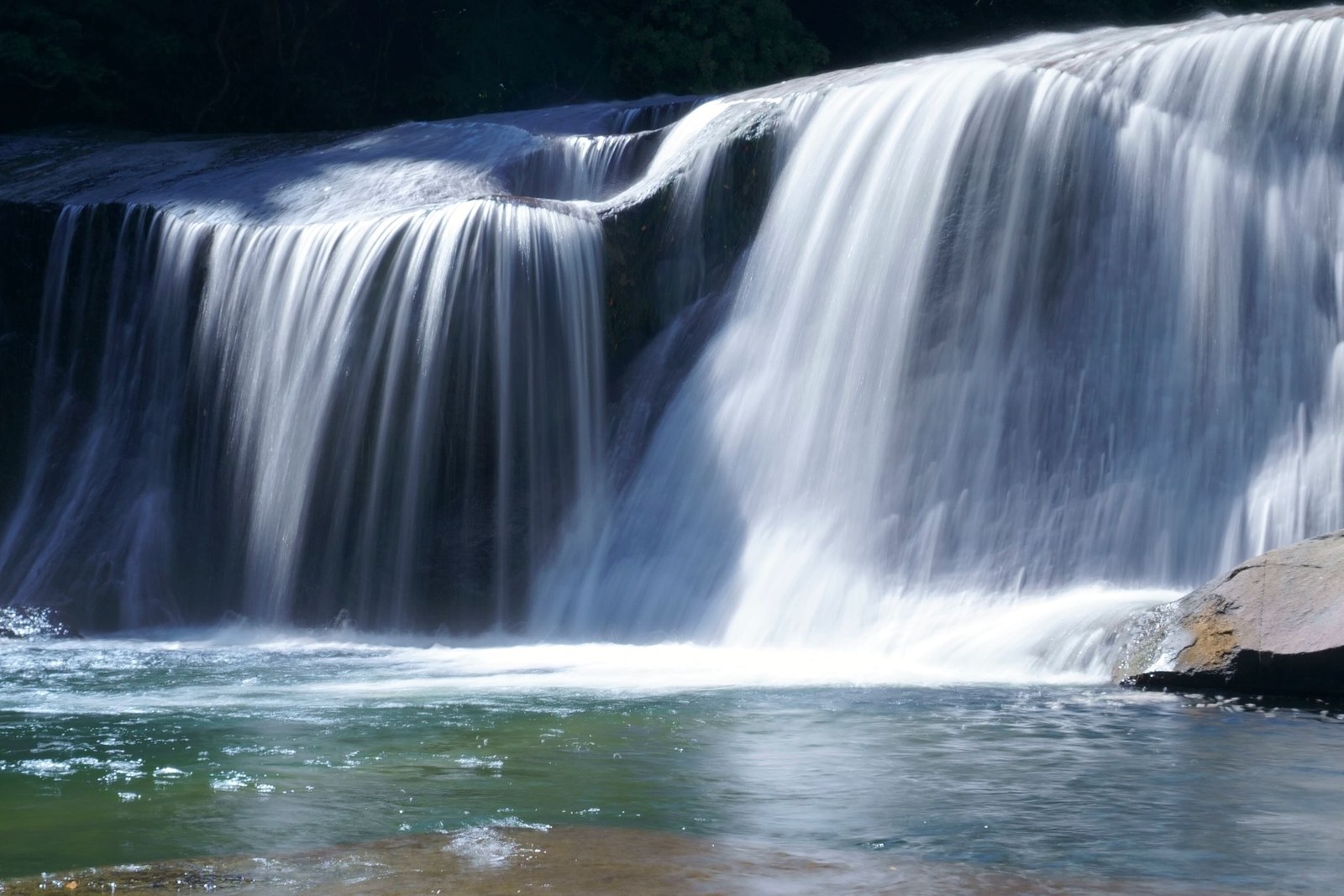
You can still trace the bones of it: weathered wooden markers where the post towns stood, and a thatched daimyō inn or two where those lords once slept. A little further on, the road runs past Nametsu Falls — a broad, two-tiered curtain of water some thirty meters wide, with a path that takes you right down to its edge.
If you go
Kamasaki Onsen sits in the hills of Shiroishi, in southern Miyagi. From Tokyo, take the Tohoku Shinkansen to Shiroishi-Zaō — a little over two hours. The easiest thing from there is to let the ryokan collect you: Yunushi Ichijō runs a free shuttle from the station if you arrange it when you book (reserve by the day before), and a taxi covers the fifteen-minute trip otherwise. Shiroishi Castle makes an easy side trip, and the Shichikashuku Kaidō and Nametsu Falls lie further west into the mountains, reachable by taxi or the local bus. (Japan drives on the left, so a rental car isn't for everyone.)
For rooms and dinner plans, the inn's own site is the place to look: Yunushi Ichijō (official).