TRAVEL · MIYAGI, JAPAN
Shiroishi Castle: A Samurai Stronghold Few Travelers Find
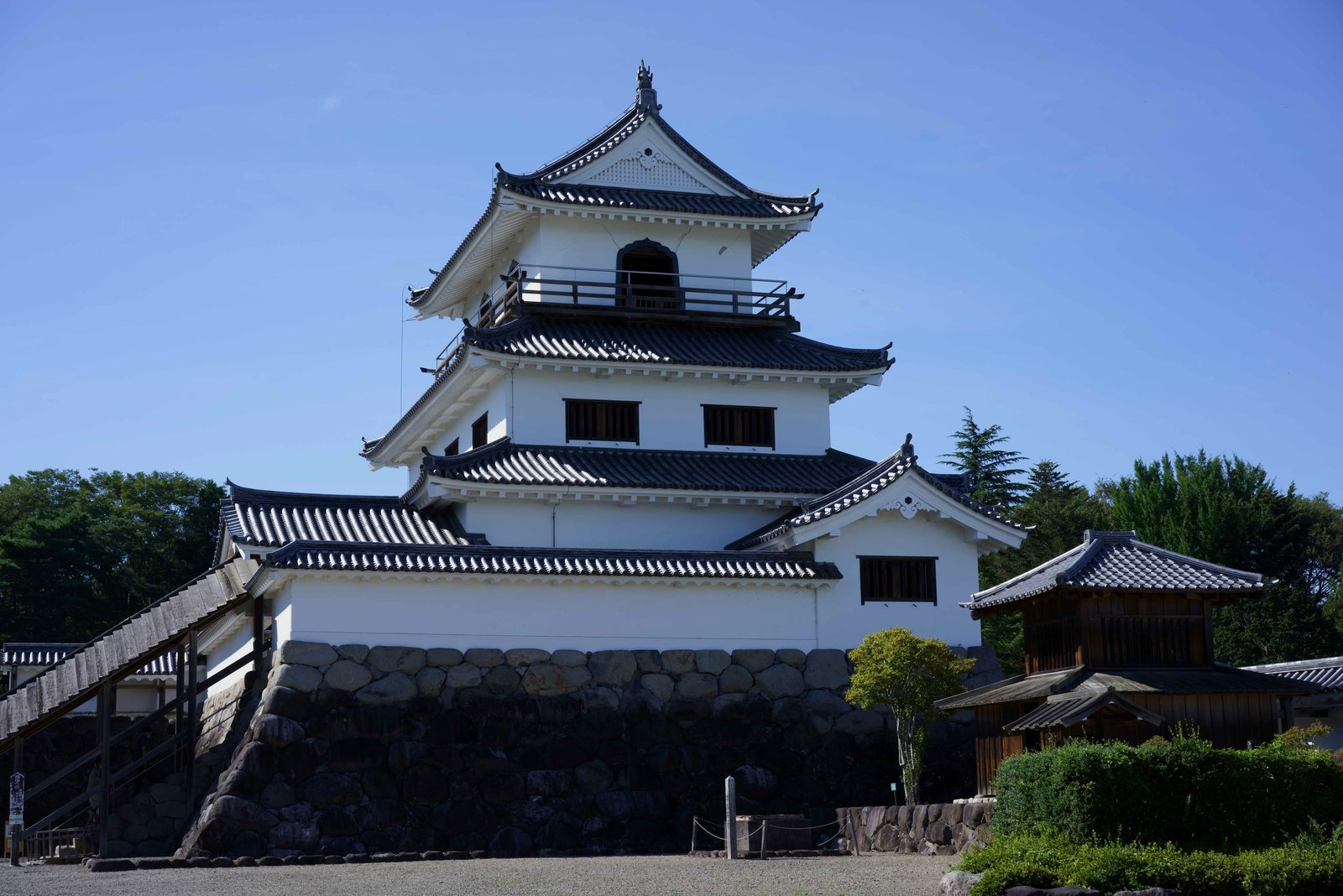
Most travelers to Japan have never heard of Shiroishi. It's a small city in Miyagi Prefecture, up in the Tohoku region of the north, and its castle rarely makes the guidebooks. That's exactly why it's worth the trip. Where the famous castles come with crowds and selfie sticks, Shiroishi gives you something rarer — a near-empty keep, a quiet stone courtyard, and one of the great untold stories of the samurai age, more or less to yourself.
The castle that was allowed to exist
In 1615, the Tokugawa shogunate handed down one of its shrewdest laws: one castle per domain. Every feudal lord had to tear down all but a single stronghold, so no one could quietly build up the means to rebel. The powerful Date clan of Sendai, though, was granted a rare exception — it kept two. Sendai Castle for the lord himself, and Shiroishi Castle for his most trusted retainers, the Katakura family, who would hold it for some 260 years, right up to the end of the samurai era.
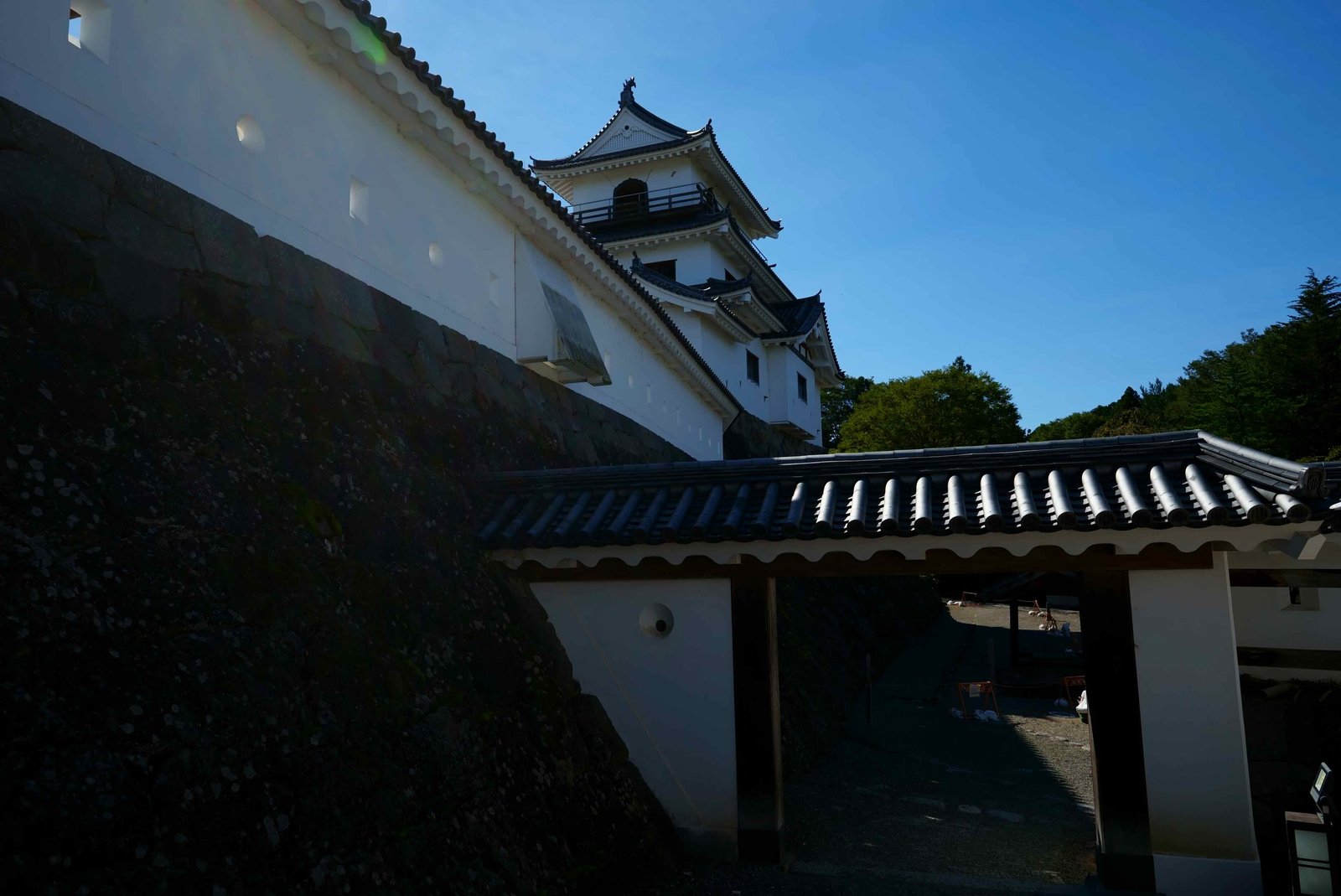
One more wrinkle shows just how closely the shogunate watched its lords. Vassals weren't permitted a proper main keep (tenshu) at all — so the Date politely called this three-story tower a 'turret' (san-kai yagura) instead. A keep in everything but name, built to honor the letter of the law while quietly bending it.
Katakura Kojūrō: the brain behind the One-Eyed Dragon
To understand Shiroishi, you have to know the Katakura. Date Masamune — the fearsome, one-eyed warlord nicknamed the 'One-Eyed Dragon' — owed much of his success to his right-hand man, Katakura Kojūrō Kagetsuna. Kagetsuna was the strategist and the cool head, the advisor who helped turn a brilliant but headstrong young lord into one of the most formidable figures of his age. 'Kojūrō' became a name of honor, passed down through the generations of the family.
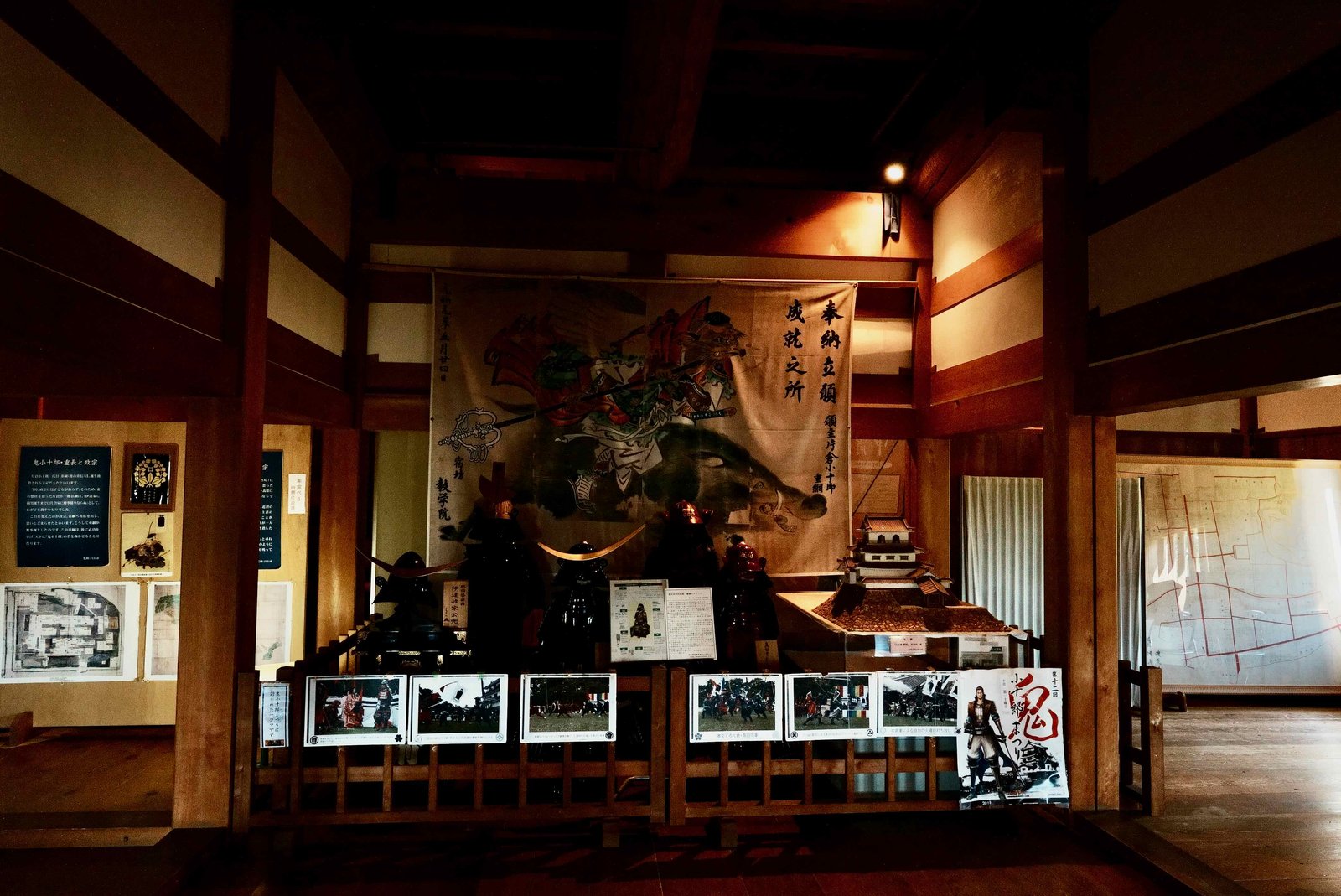
The second Kojūrō, Shigenaga, earned an even fiercer nickname on the battlefield — 'Oni-Kojūrō,' the Demon Kojūrō. But the story that stays with you is a gentler one. At the siege of Osaka in 1615, the legendary enemy commander Sanada Yukimura, knowing he was going to his death, entrusted his young children to his rival Shigenaga. Shigenaga took them in and raised them in secret here at Shiroishi, and Yukimura's daughter Ume later became his wife. To this day, the town honors that bond every autumn at the Oni-Kojūrō Festival.
Where the north made its last stand
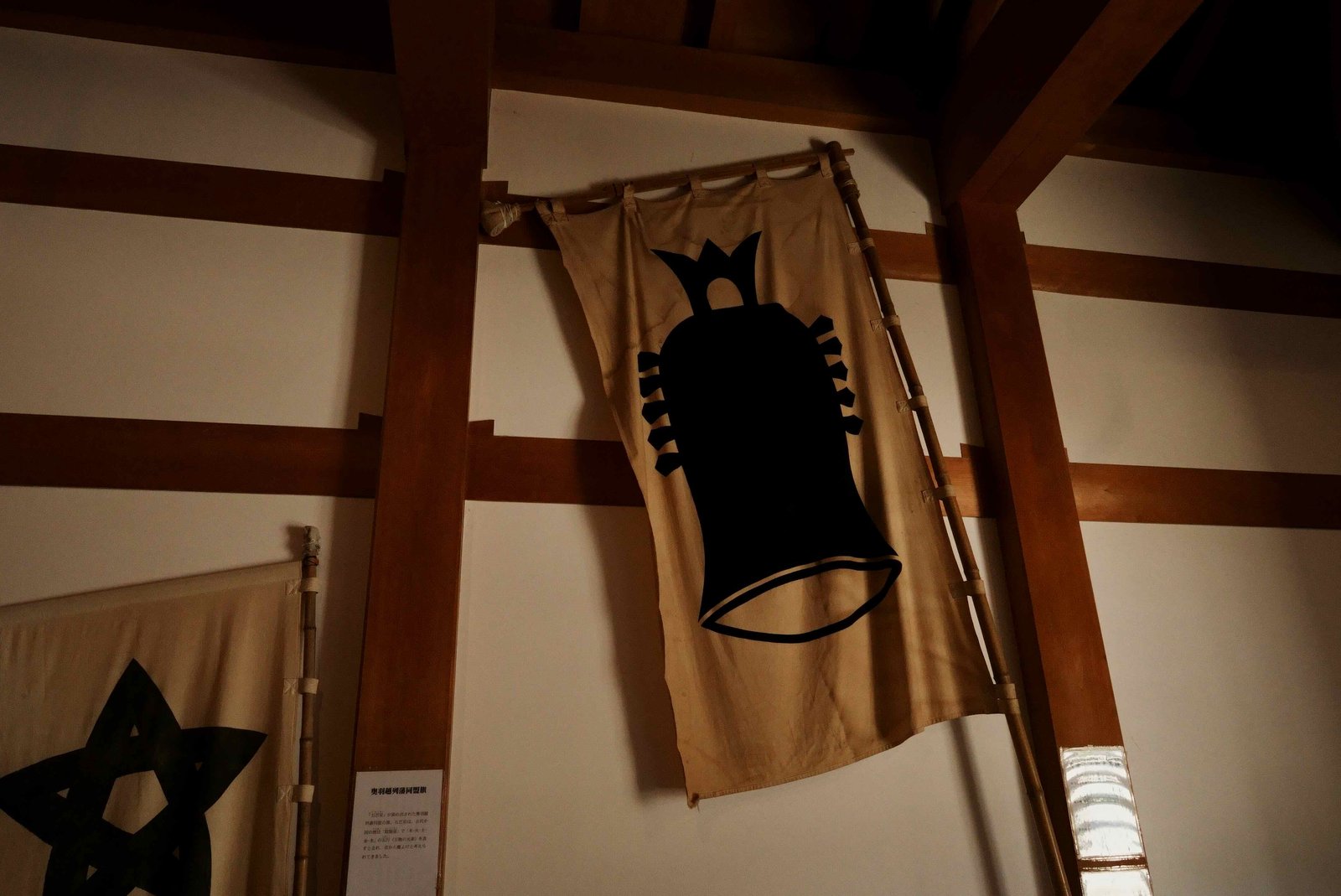
Shiroishi has one more turn in its story. In 1868, as Japan tore itself apart in the Boshin War that would end samurai rule for good, the retainers of twenty-five northern domains gathered inside this castle and formed an alliance — the Ōuetsu Reppan Dōmei — to stand together against the new imperial government. The coalition lost, and within a few years the castle was pulled down, as so many were in the rush to modernize.
Rebuilt the old way, by hand
The castle you visit today is not a concrete replica dressed up to look old — the shortcut many Japanese cities took in the postwar decades. When Shiroishi rebuilt its keep and gates in 1995, it did the harder thing: a faithful wooden reconstruction, using traditional joinery and the kind of craftsmanship the original builders would have recognized. It's one of the very few truly wooden castle keeps in the country.
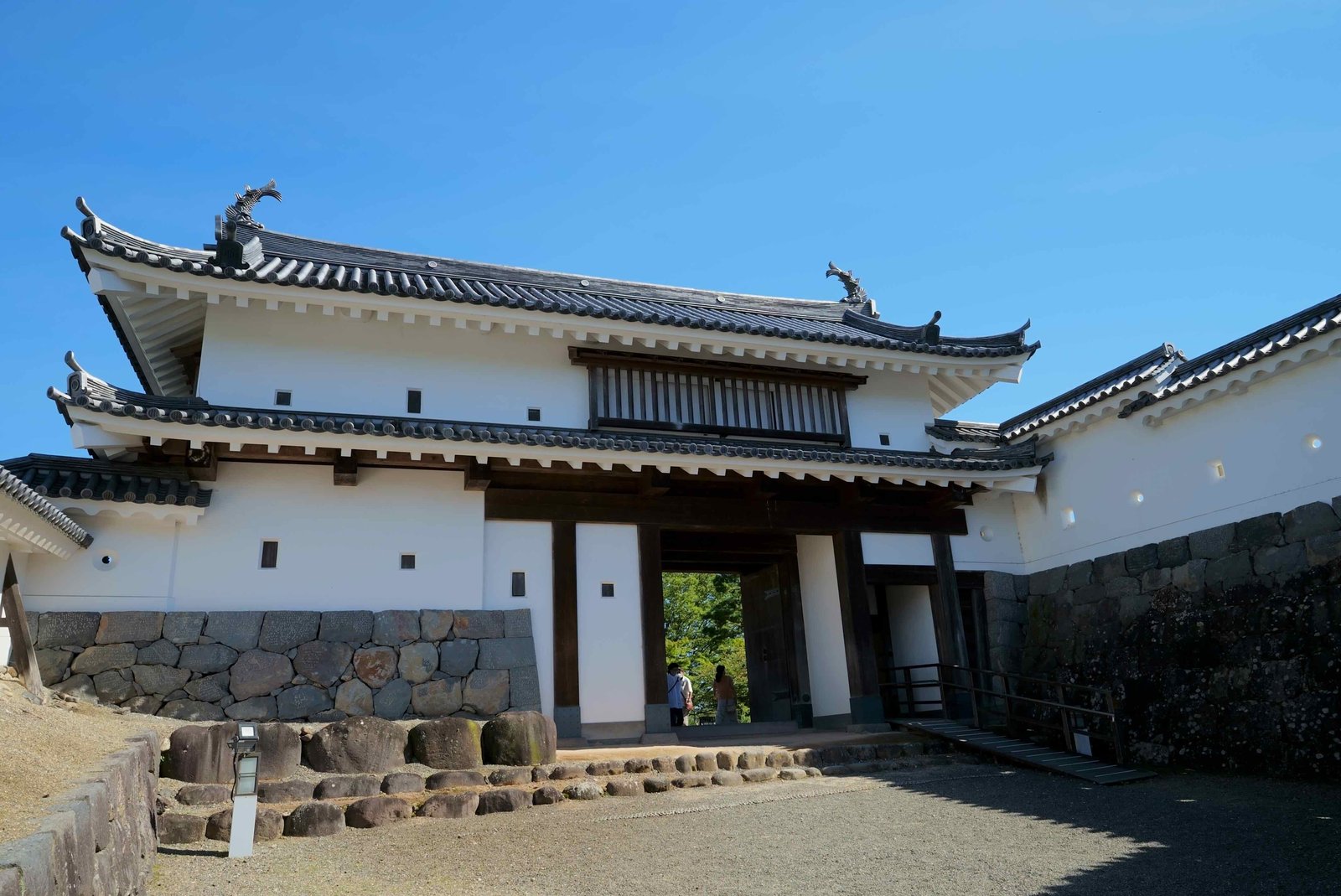
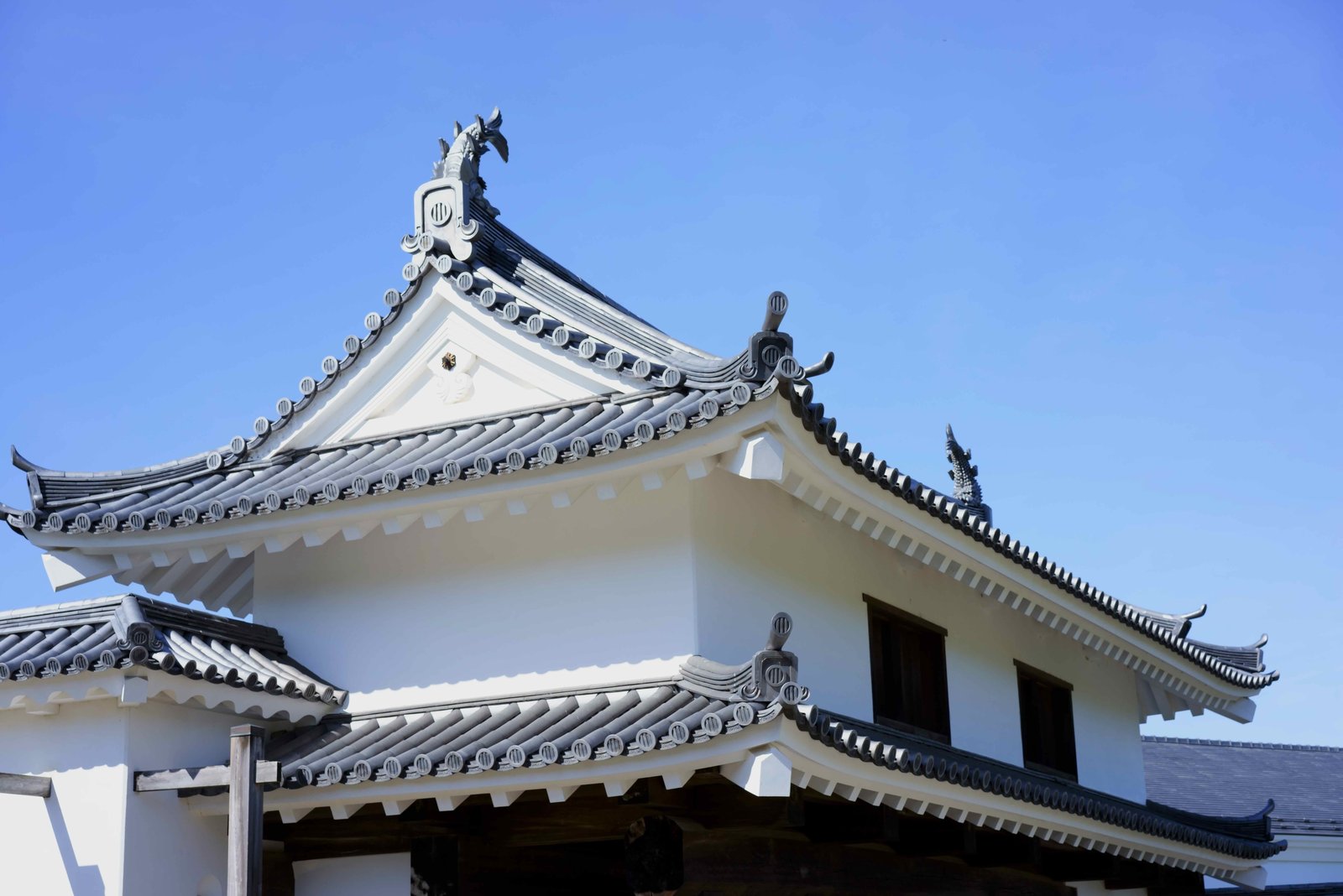
Walk up through the great gate and the details reward a second look — white plaster walls, dark tiled roofs that curve just so, and the fish-shaped shachihoko perched at the ridgeline, the mythical guardians meant to ward off fire.
Inside the keep
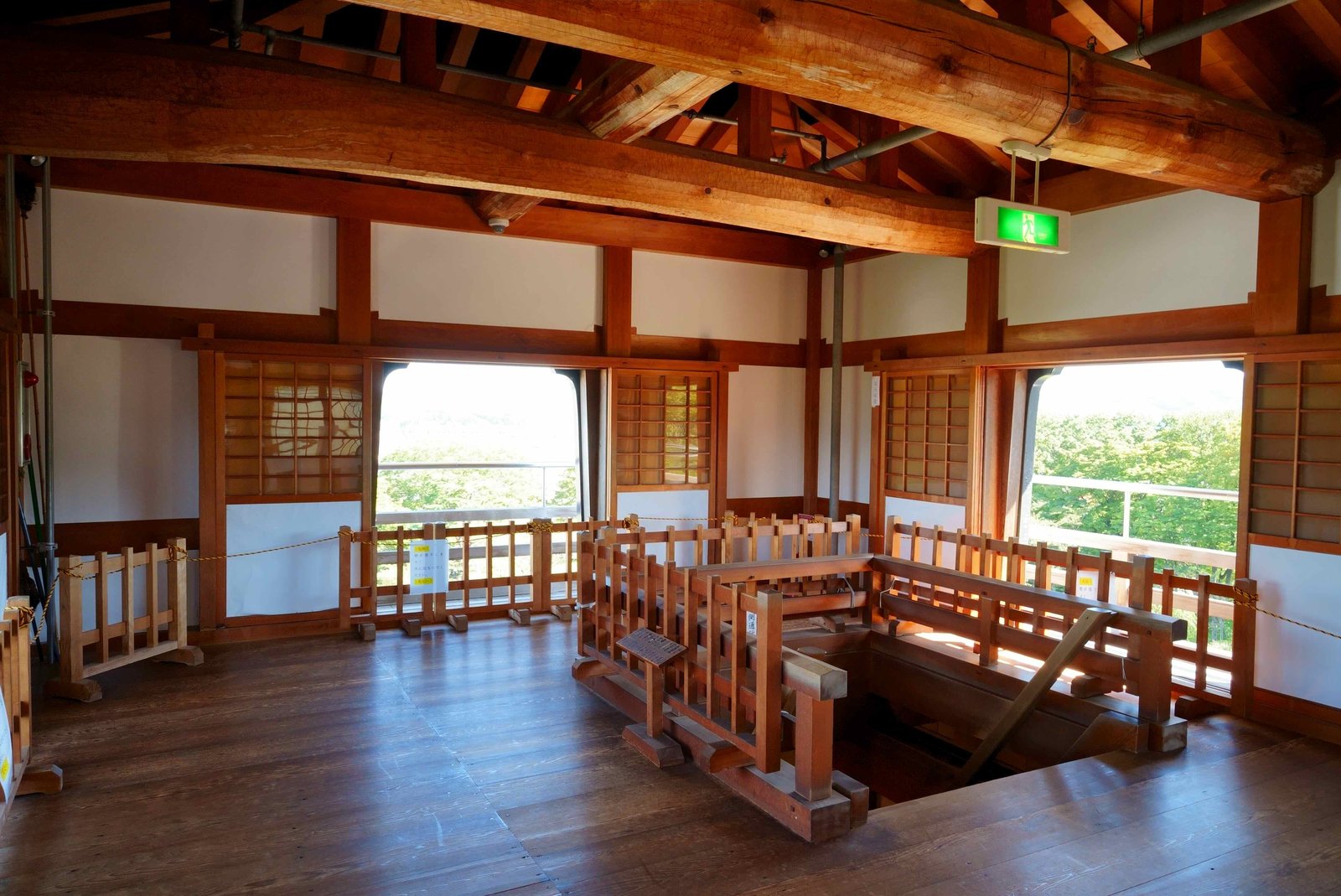
Slip off your shoes at the entrance and the payoff is immediate: bare wooden floors, the scent of cypress, and beams you couldn't wrap your arms around. The staircases are steep — closer to ladders than stairs, and gloriously so. This is what the inside of a castle actually felt like, long before handrails and gift shops.
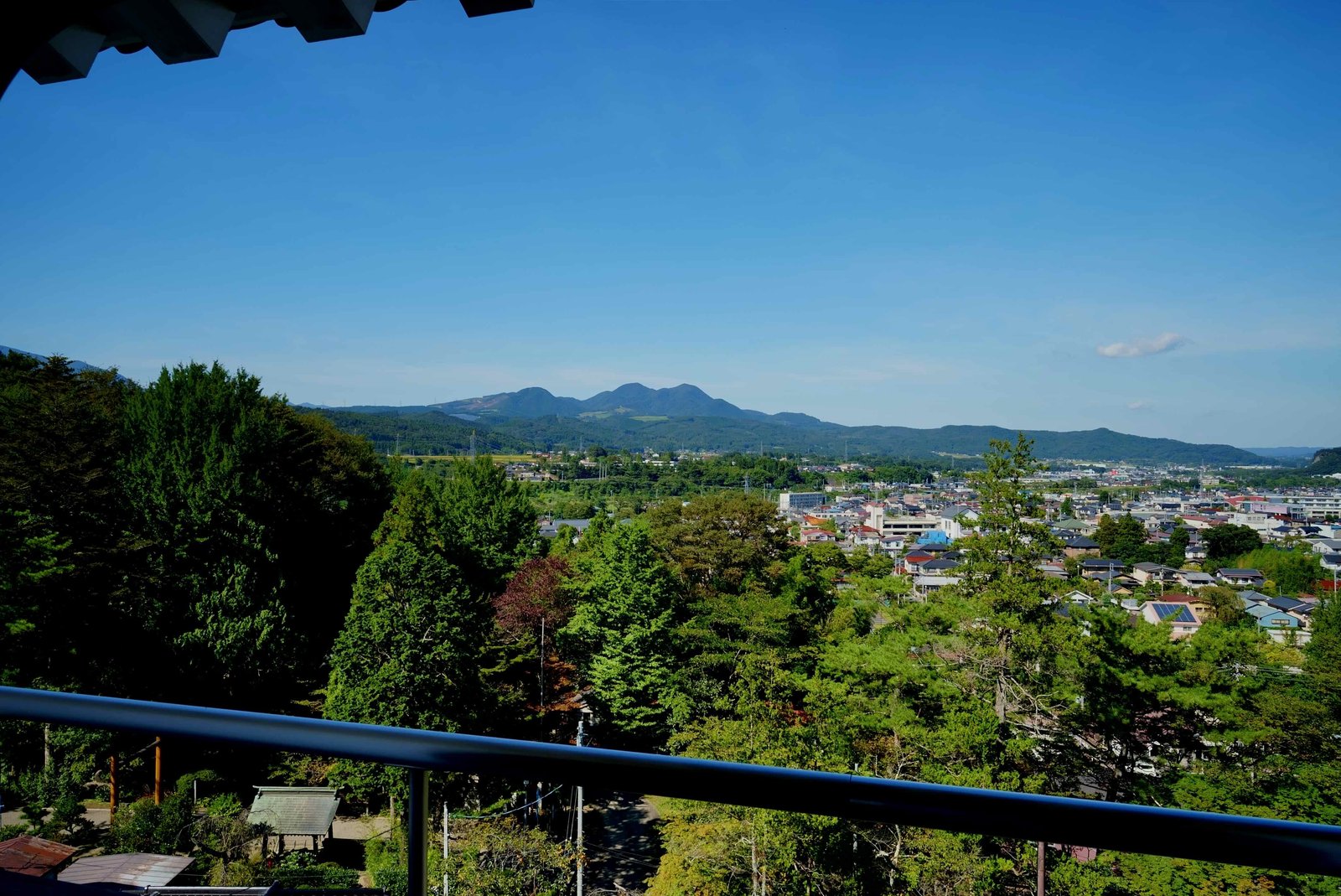
Climb to the top and the whole reason a castle stood here becomes obvious. The town of Shiroishi spreads out below, ringed by the mountains of southern Miyagi — the same commanding view that let the Katakura watch the roads for centuries.
The castle town below
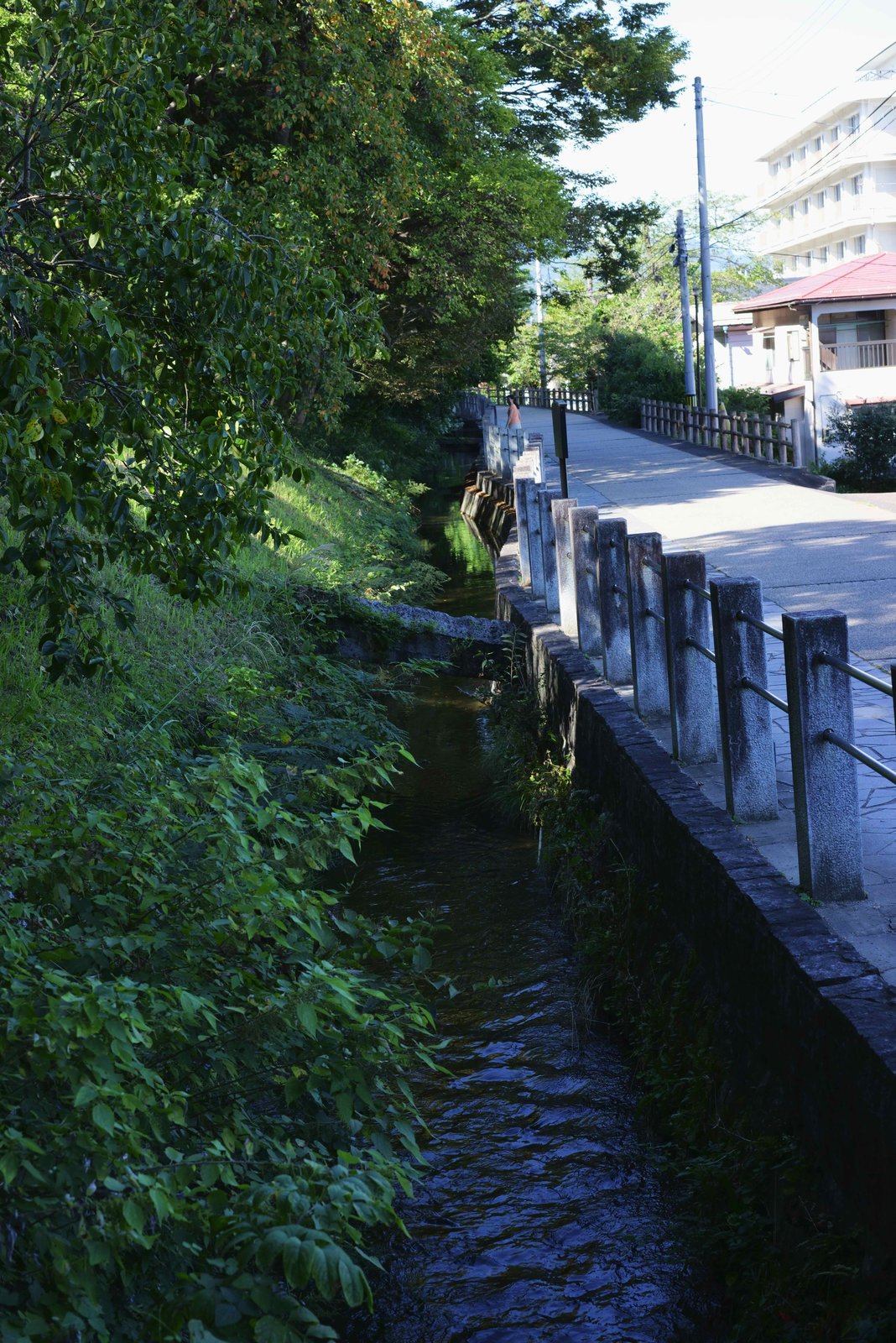
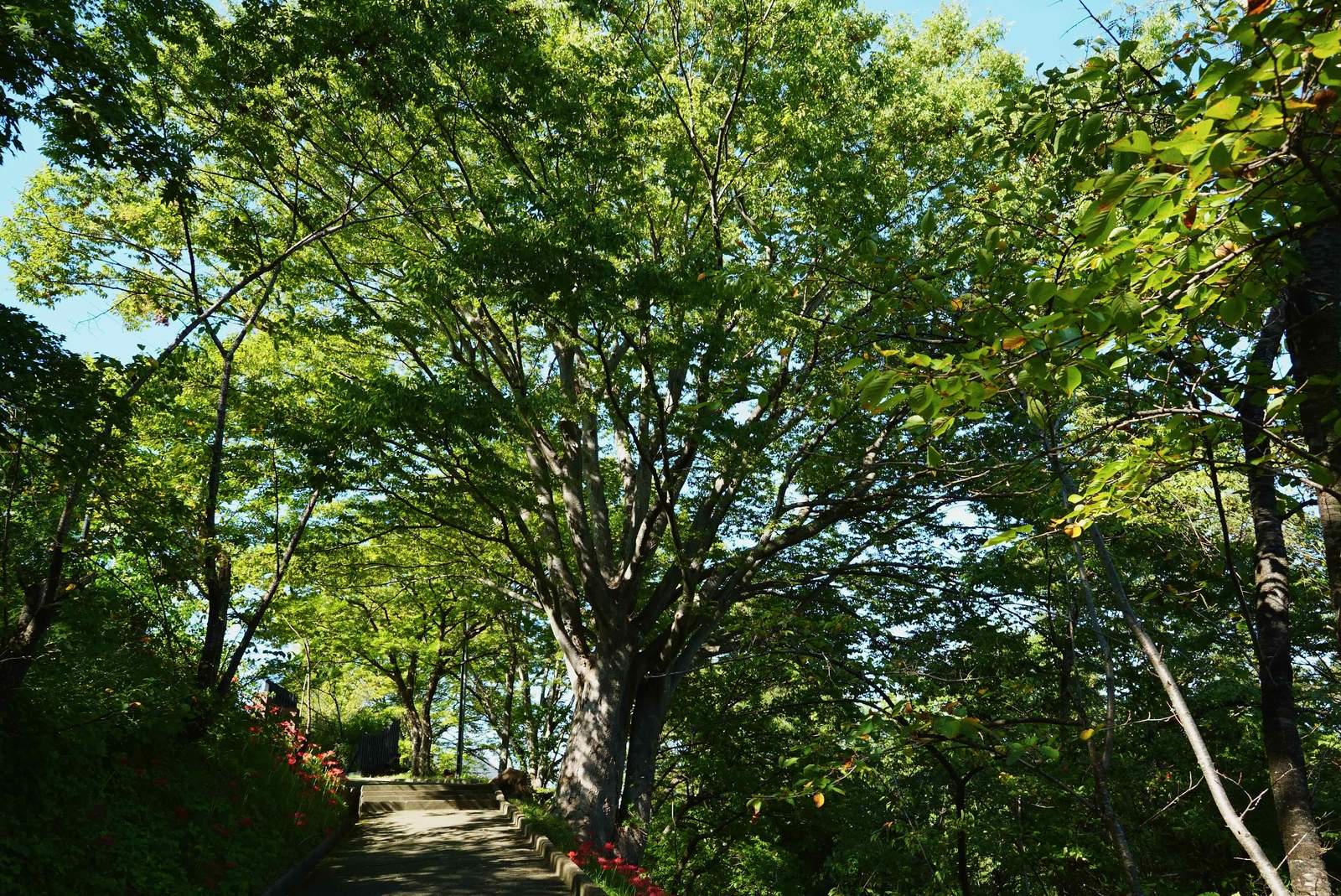
Don't rush off once you're back down. The old castle town still threads along clear little canals — water channels dug in the samurai days that still run cold and clean past the houses. In early autumn, red spider lilies line the paths up the hill, and the whole slope goes quiet and green. It's the kind of place made for an unhurried afternoon.
A bowl of umen, born of a son's devotion
Here's what surprises people about Shiroishi: its most famous export isn't the castle — it's a noodle. Umen is a slender white wheat noodle with a story that fits this town perfectly. About four hundred years ago, a young man in the castle town wanted to help his ailing father, whose weak stomach couldn't handle much. A traveling monk showed him how to make noodles without the oil most noodles rely on — gentler, easier to digest — and he served them warm. His father recovered. When Katakura Kojūrō, the lord of the castle, heard why the young man had done it, he was so moved by the son's devotion that he named the noodle himself: 温麺, umen — the “warm noodle,” for a warm heart.
That oil-free recipe is still what sets umen apart. The noodles are short, about nine centimeters, and a touch thicker than the somen you may know, so they hold the flavor of the wheat and never turn to mush. Have them hot in a clear broth on a cold day, or chilled with a dipping sauce in summer — either way it's simple, honest comfort food. (Locals count it among “Shiroishi's three whites,” alongside the town's handmade washi paper and kuzu arrowroot.)
The noodle house to seek out is Tsurigane-an, run by one of the town's old umen makers inside a restored Edo-period samurai residence — fitting, in a place like this. Fair warning, and we speak from experience: it keeps lunch hours and closes early in the afternoon (and on Thursdays). We showed up to find the doors already shut, had our bowl elsewhere in town, and left Tsurigane-an on the list for next time. Learn from our mistake and go at midday.
If you go
From Tokyo, take the Tohoku Shinkansen to Shiroishi-Zaō Station — a little over two hours. The castle is a short taxi ride from there, or about a fifteen-minute walk from JR Shiroishi Station on the local line. It's an easy addition to a wider loop through Tohoku.
For opening hours and seasonal details, the castle's official site is the place to check: Shiroishi Castle (official).
Make a night of it
Shiroishi rewards an overnight. Up in the mountains sits Kamasaki Onsen, the oldest hot spring in these parts and a quiet place to unwind — Date Masamune and Katakura Kojūrō themselves are said to have soaked here. We stayed at Yumushi Ichijō, an inn that has welcomed guests for nearly six hundred years. Its wooden main hall, built by master carpenters without a single nail, is a registered cultural property, and wandering its hushed corridors feels like stepping back into the era the castle came from.
The other thing worth your time is the Sanchū Shichikashuku Kaidō, an old mountain highway that once linked the great north–south post roads. Its name — “seven post towns” — comes from the way stations strung along it, where the processions of feudal lords passed on their long marches to and from Edo. Stretches of it still carry the quiet of a post town, and it makes a beautiful drive through the mountains of southern Miyagi. We'll have more to say about both of these before long.