TRAVEL · NAGANO, JAPAN
Nozawa Onsen: A Village of 13 Free Hot Springs
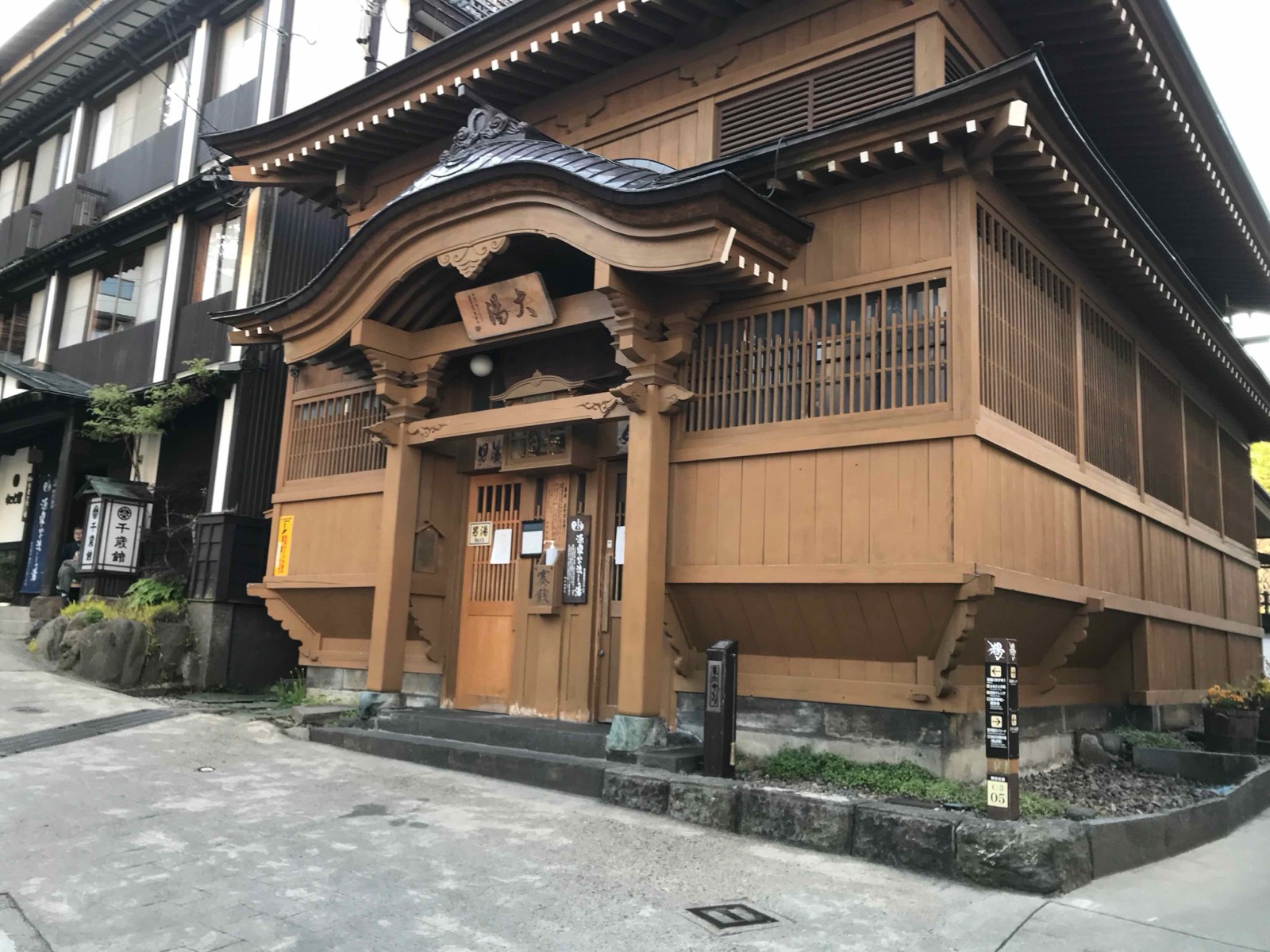
Tucked into the mountains of northern Nagano, Nozawa Onsen is the rare hot-spring town that still does things the old way. The water here is the real thing — 100% natural, straight from the source, flowing through and out, never recirculated. Thirteen public bathhouses are scattered through the village, all of them free, all of them looked after by the people who live here. You come for a soak, and you end up falling into the rhythm of a place that has bathed together for centuries.
The soto-yu: thirteen free public baths
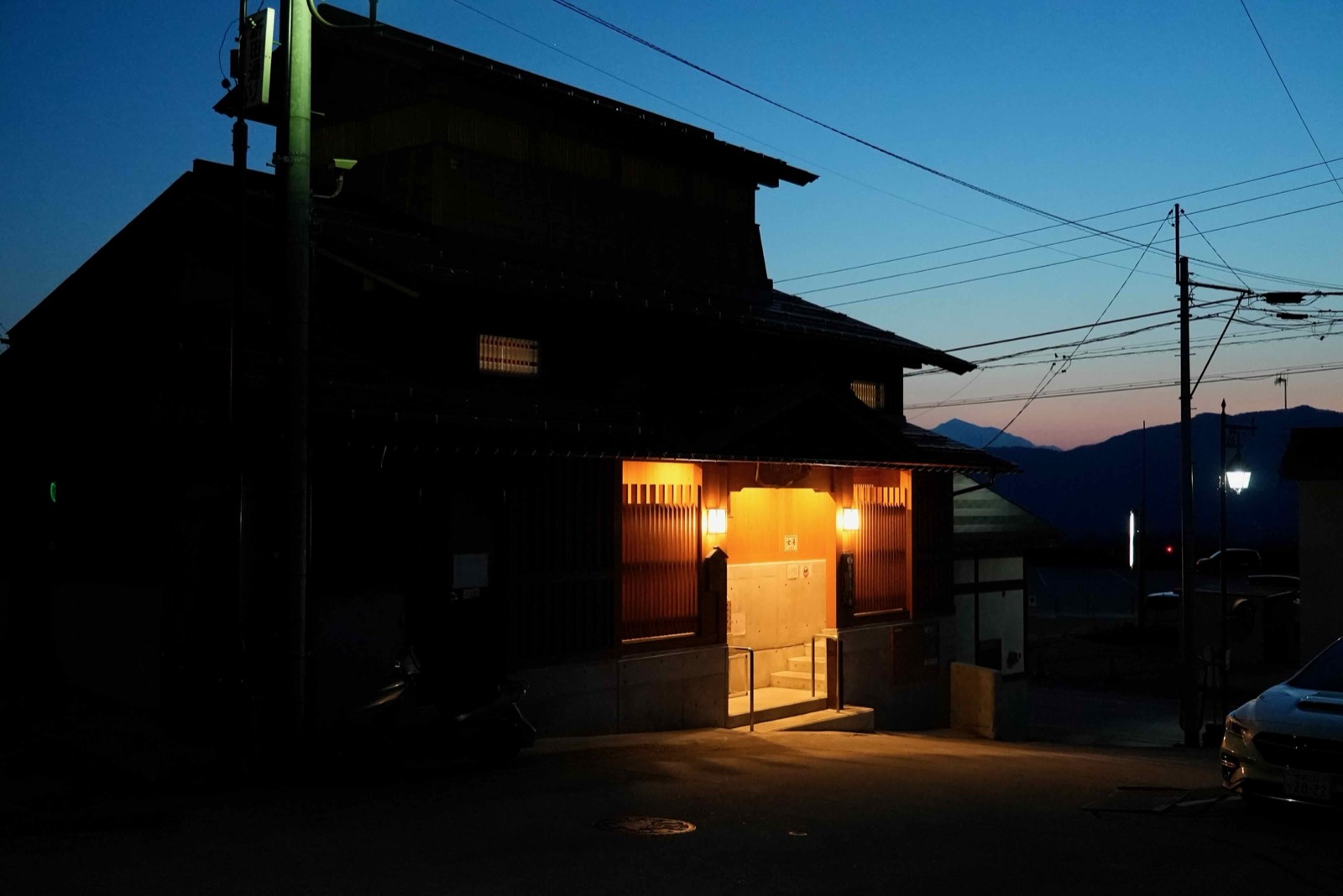
The thing to know about Nozawa is the soto-yu — thirteen communal bathhouses dotted around the village, fed by natural hot springs and open to anyone. These aren't tourist attractions; they're where locals bathe every single day. Lower yourself into the water and you might end up next to someone who's been coming to this same bath for fifty years.
If you want a comparison, think of a neighborhood pub in England or Ireland, or an old Italian terme — a place where the whole town gathers, except here the common ground is hot water. There's really nowhere else in Japan with public baths this woven into daily life, and even Japanese travelers find it a bit of a revelation. And with visitors turning up from all over the world, conversation comes easily.
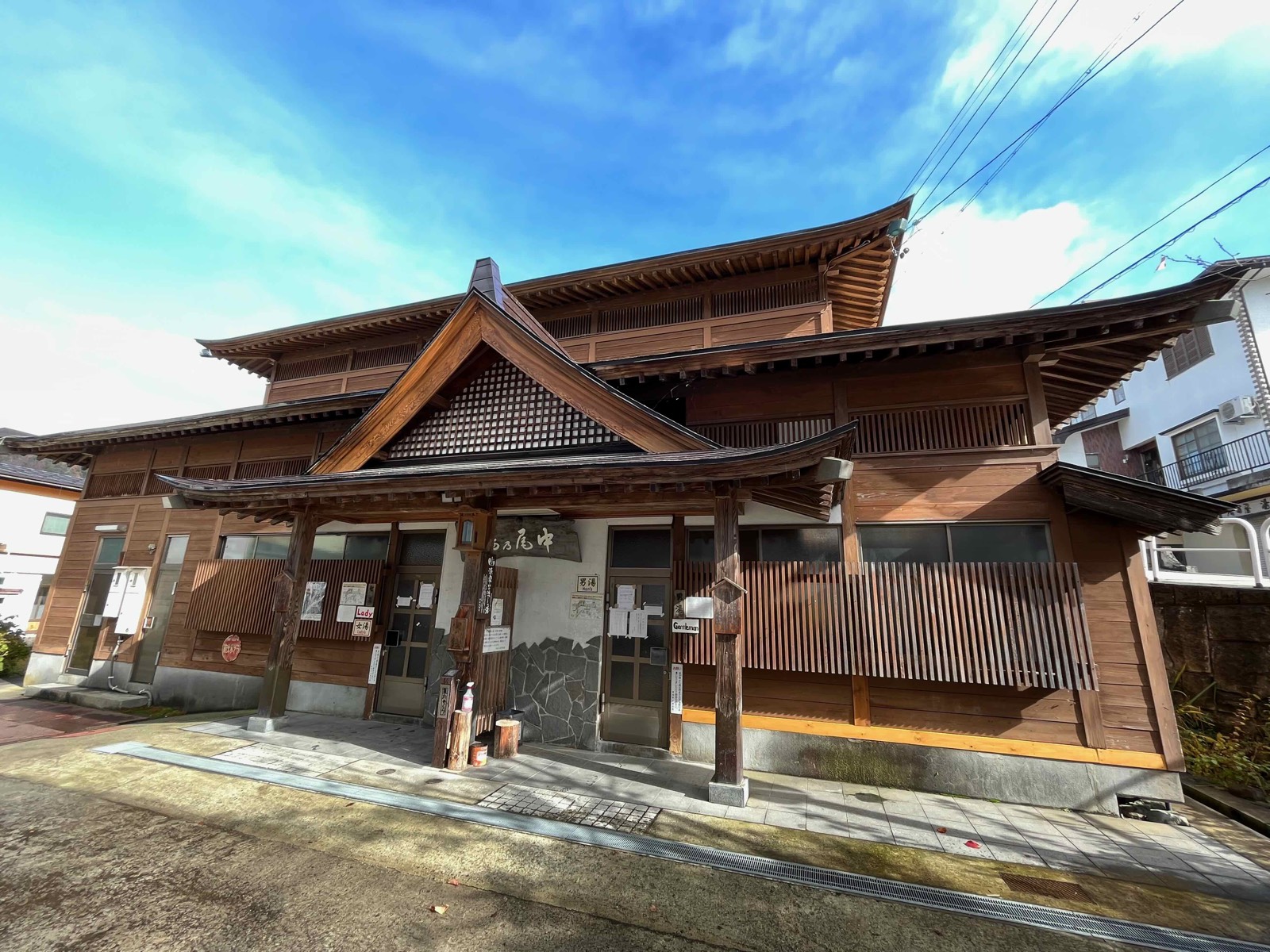
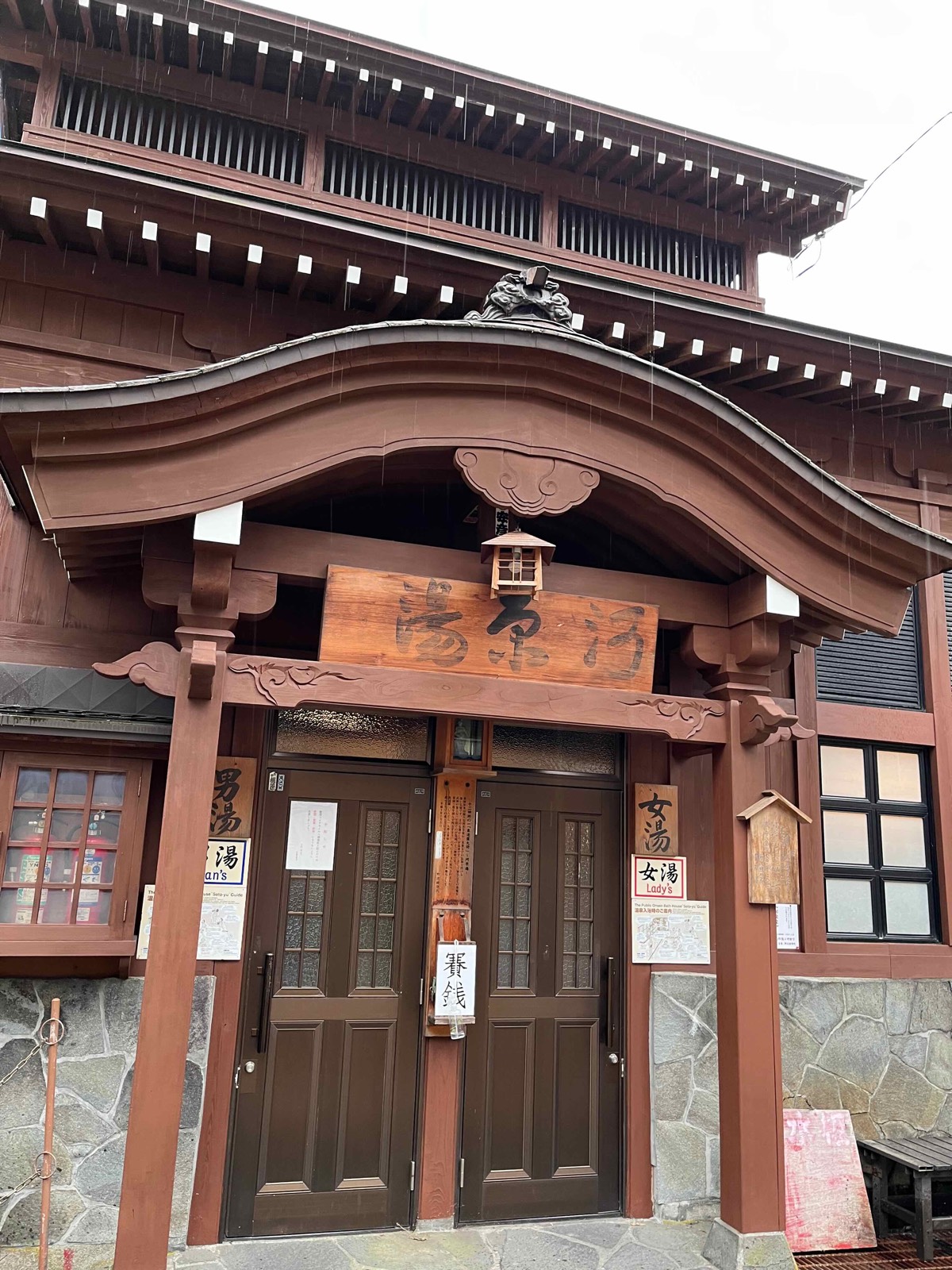
The baths keep running thanks to a remarkable system called yu-nakama, in place since the Edo period. Residents cover the electricity and water themselves and take turns cleaning each bathhouse — every day — so it stays spotless. The baths are free to use, but at every entrance you'll find a small offering box. Think of it less as a fee and more as a tip: drop in a coin as a thank-you to the locals who keep the water clean and flowing.
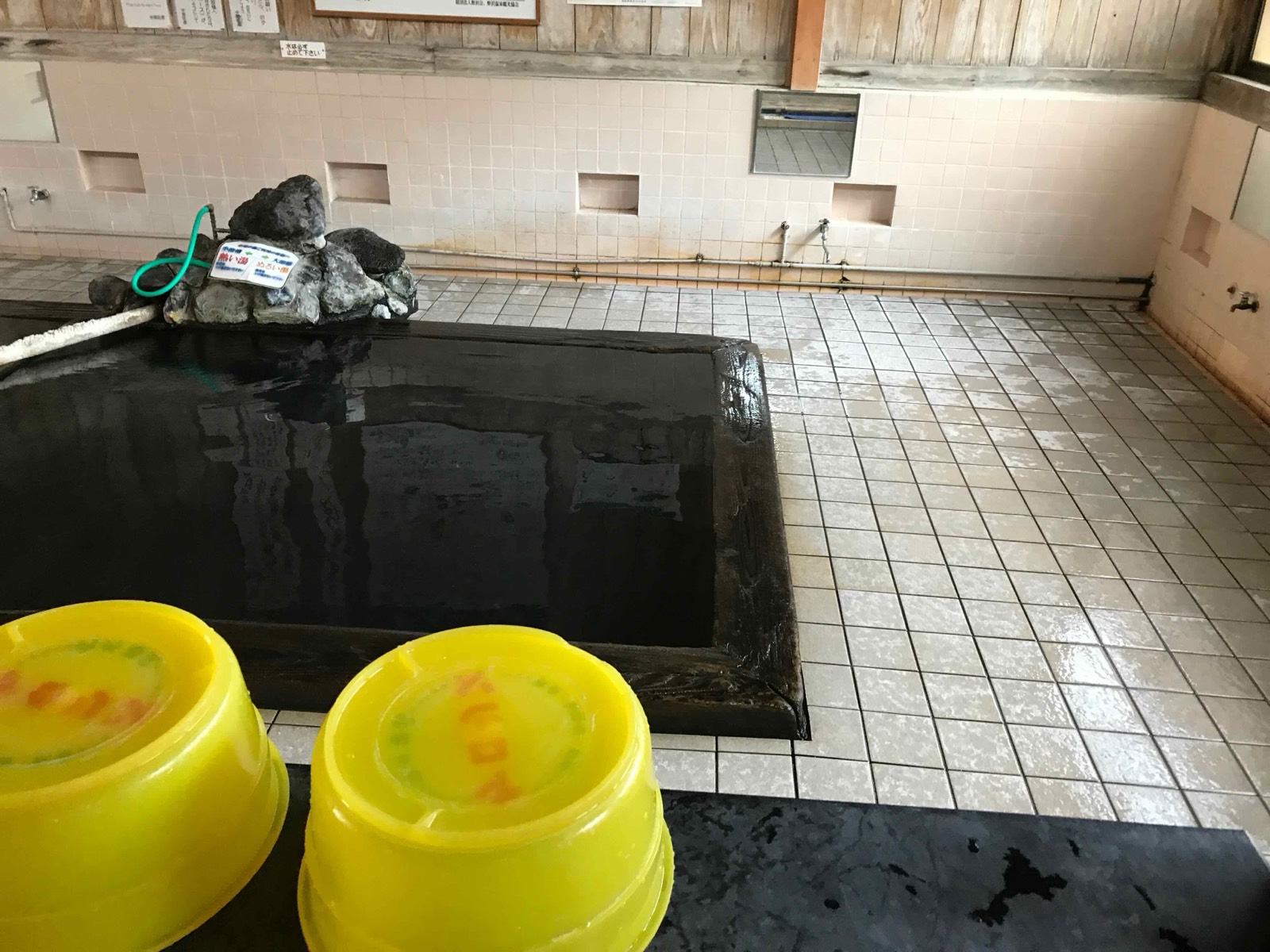
One heads-up: the water is hot. Really hot. Ladle some over your body first (that's kakeyu) to ease in slowly. You can add a little cold water to cool a bath down, but go easy and try to match how the locals like it. And if it's still too much, there's no shame in soaking up the atmosphere instead of the water.
A few rules before you step in
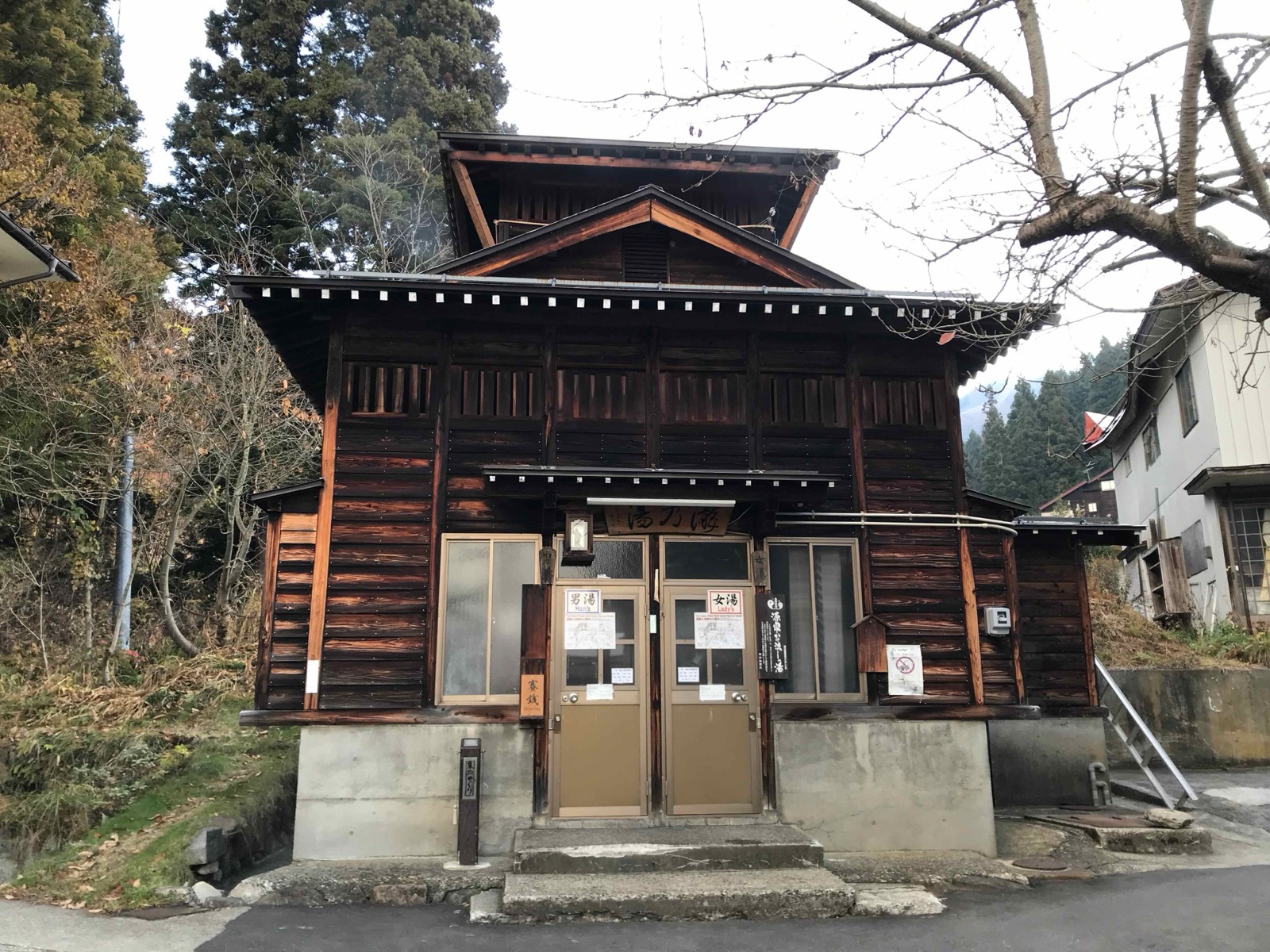
Because these are shared public baths, etiquette matters. No swimsuits. Rinse off and wash before you get in. Keep your towel out of the water. And dry yourself off before stepping back into the changing room. Look for the 男湯 (men's) and 女湯 (women's) doors — then just relax.
Ogama: the village's natural kitchen
A short walk away, clouds of steam rise from Ogama — a cluster of natural hot-spring pools that reach almost 90°C (about 190°F). It's protected as a village natural monument, and its name comes from the old practice of soaking hemp (asa) here to strip away the bark.
To this day, residents treat it as an open-air kitchen: blanching local akebi vines, simmering mountain vegetables, boiling eggs. Each pool sits at a slightly different temperature, so they're used for different jobs. People call it “the kitchen of Nozawa,” and that's exactly what it is. You can't bathe or cook here yourself, but standing at the railing and watching everyday life unfold in the steam is worth the stop.
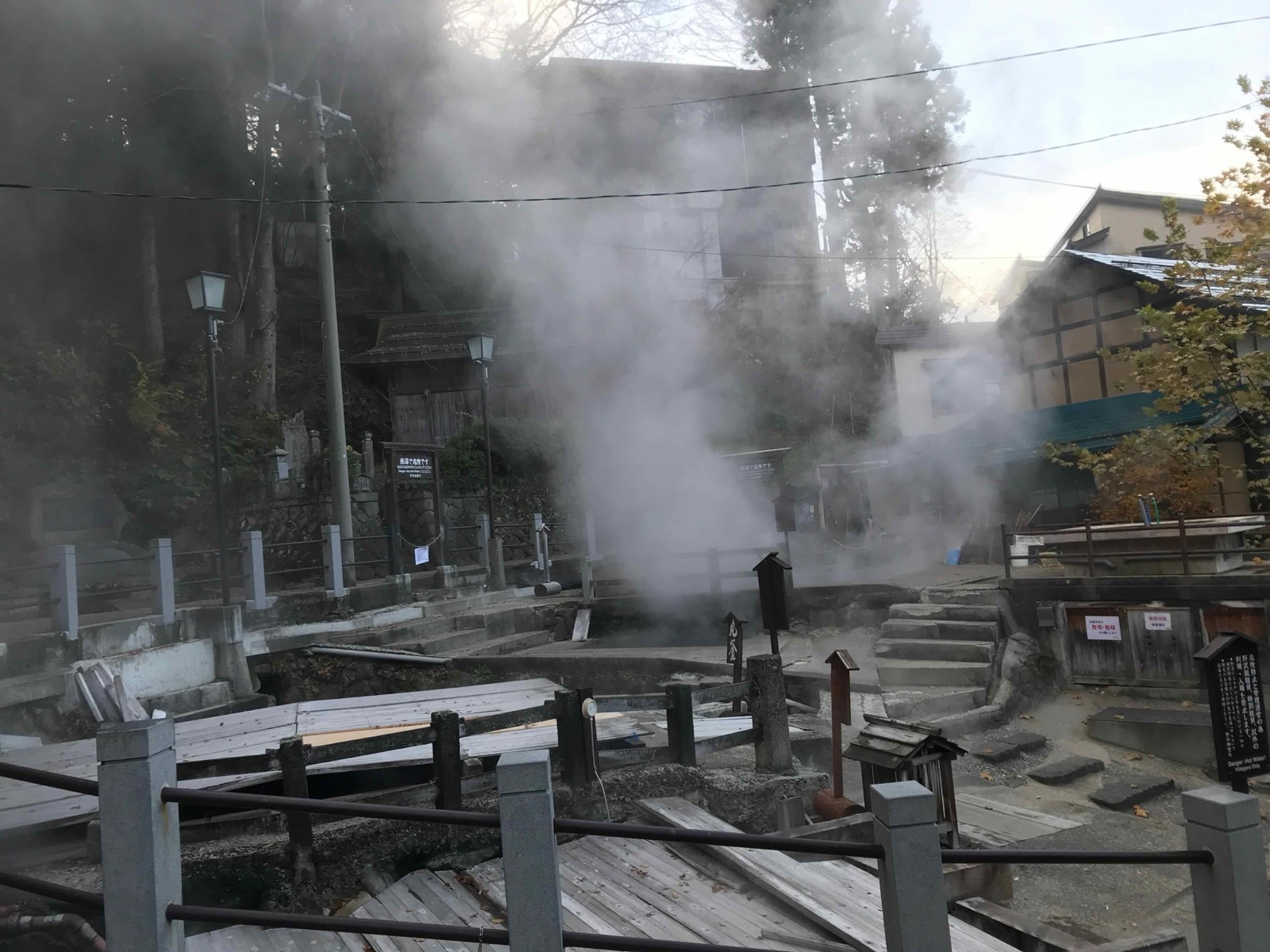
Right beside it, a little hot-spring plaza called Yurari is the spot to catch your breath — and boil your own onsen eggs while you're there.
Beyond the baths
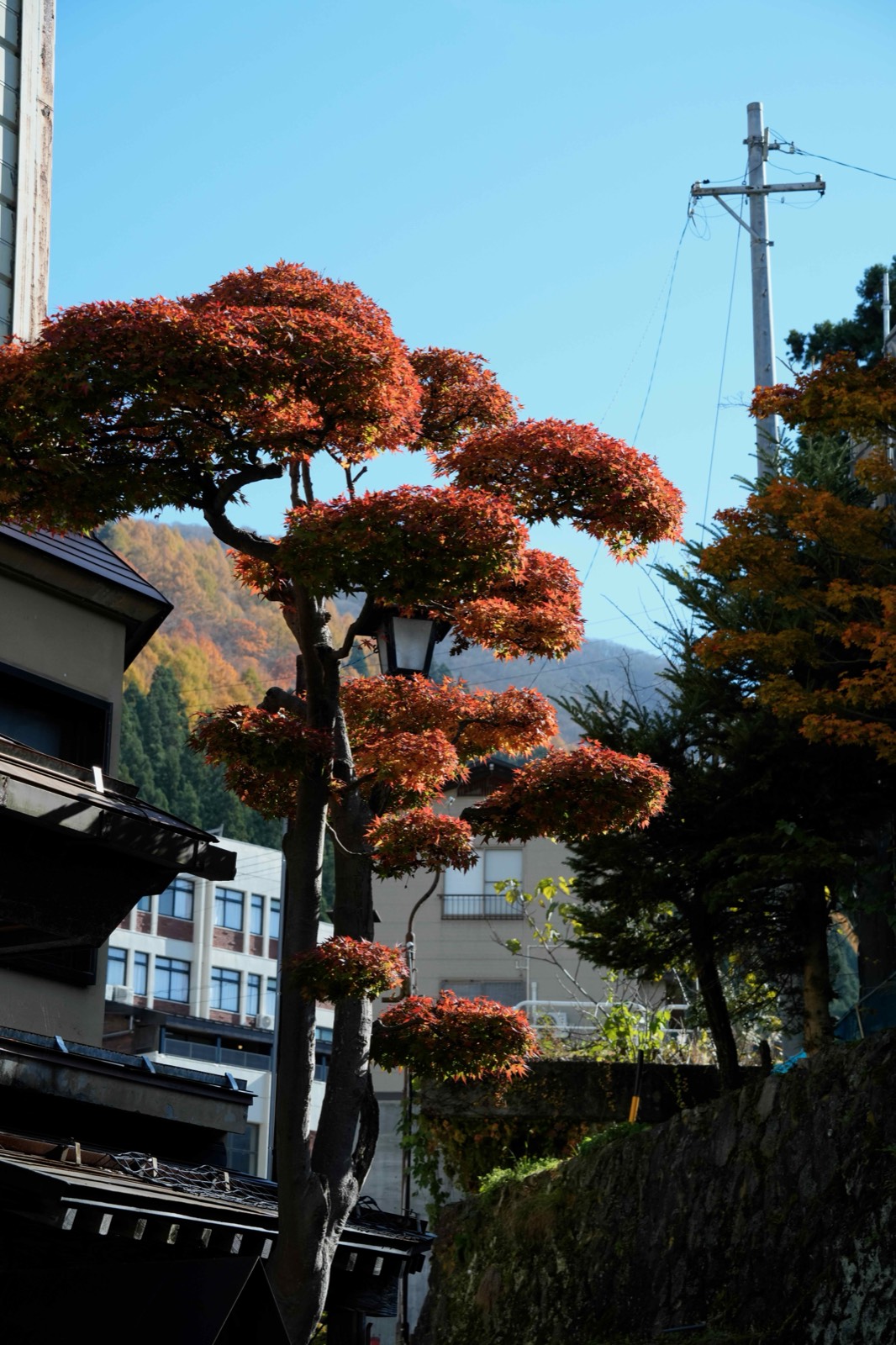
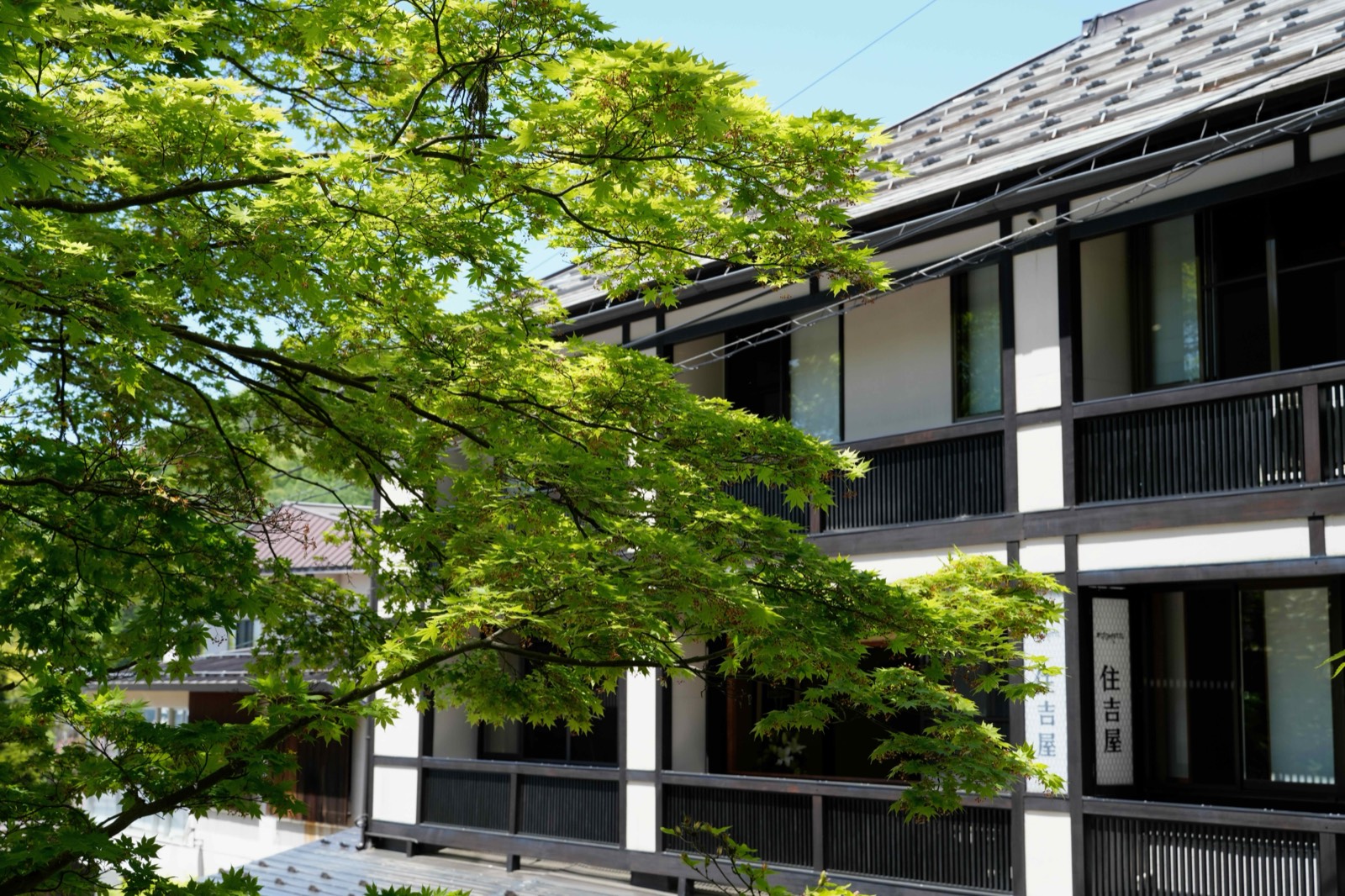
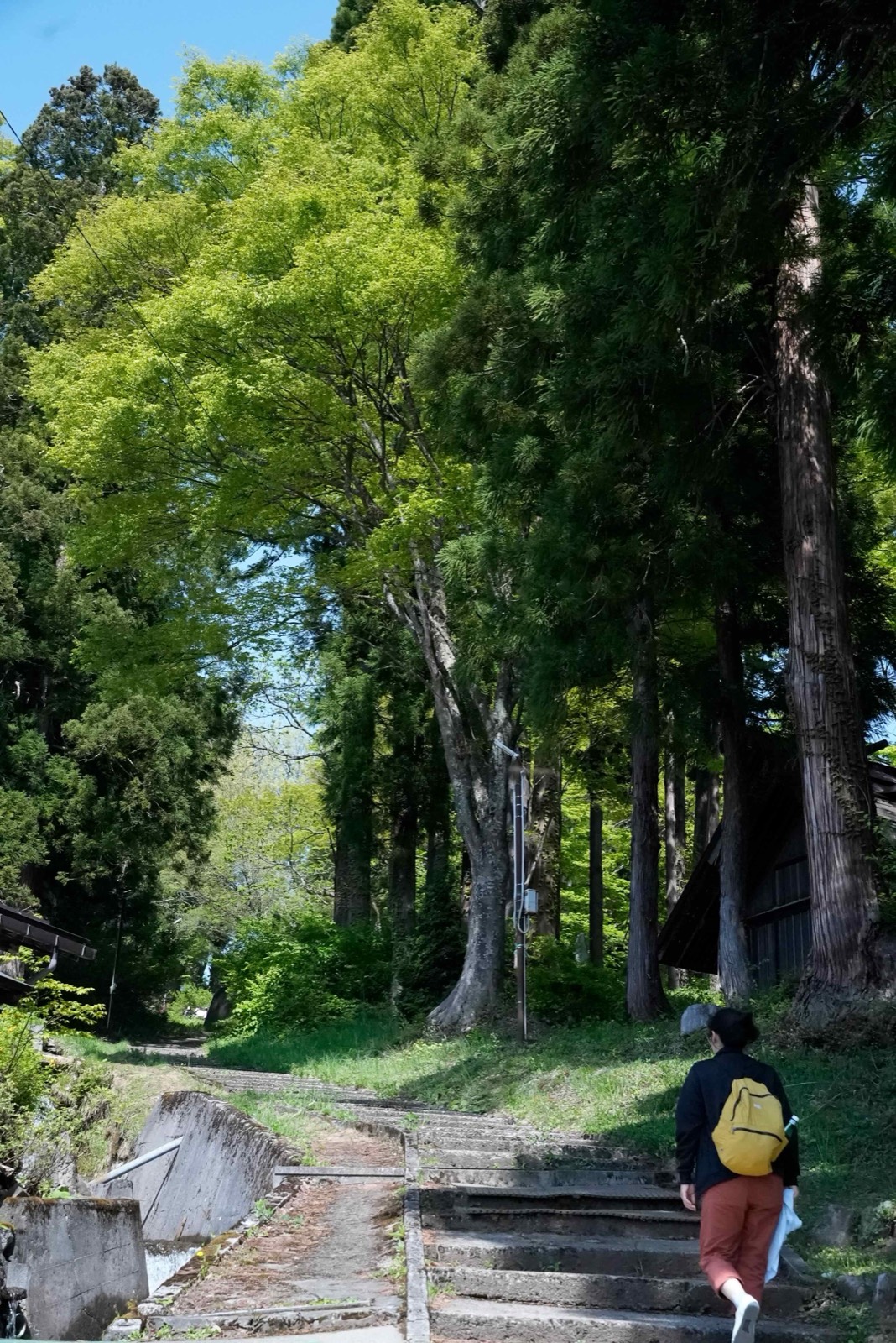
Between soaks, the village is made for wandering. Steep stone lanes, weathered wooden inns, and the smell of something good on the stove. Grab a few onsen eggs to snack on, and try the nozawana — the pickled greens that take their name from this very town. There's a quiet, year-round touji (hot-spring cure) culture here that you can feel in the unhurried pace of the place.
If you go
From Tokyo, take the Hokuriku Shinkansen to Iiyama Station (about 100 minutes), then a local bus to Nozawa Onsen (roughly 25 minutes). Once you arrive, the village is small and walkable — perfect for hopping from one bath to the next.
For maps, seasons, and the latest details, the official site is a good place to start: Nozawa Onsen (official).